What Goes Into a Commercial Roofing System: Roofing Companies in Richardson Texas?
Commercial Roofers Dallas works with membranes, metal panels, built-up layers and coatings; material choice starts with how the roof will actually be used.
Contact us on 469-677-8677; ask about the systems that suit your property.
The material on top gets the attention, but the layers below decide how the roof behaves; good design treats the roof as one assembly. People who ask about Roofing Companies around Richardson Texas usually meet the same handful of system types; the right choice follows from the building and not the brochure.
White Single-Ply Sheets on Flat Roofs
A single-ply roof is a factory-made sheet laid over insulation, then fastened, glued or ballasted in place; sheets can be attached with fasteners, adhesive or loose ballast. Reflective single-ply surfaces are popular on large buildings with big cooling loads; hail resistance varies with membrane thickness and what lies beneath.
A cut or puncture in a single-ply sheet is fixed with a matching patch, sealed along every edge; dirt and moisture are the enemies of a good bond. Membrane damage tends to cluster around drains, equipment curbs and access paths; walk pads and drain work address the usual causes of wear.
Modified Bitumen on Flat Commercial Roofs
A modified bitumen roof is built up from rolled sheets, usually in two plies or more; a granule surface protects the asphalt from the sun. Hot work is common with modified bitumen, but not every project calls for it; the surrounding building decides which method is wise.
A modified bitumen roof is a practical choice where people will be walking on the surface; seam and flashing details are the usual weak points. Aging bitumen roofs show their condition in the surface, the laps and the flashing; a small repair now beats a large repair after the next storm.
Built-Up Roofing and Its Gravel Surface
Built-up roofing is the long-standing multi-ply system, assembled in place layer by layer; the stone surface also adds weight and fire resistance. Leaks on a gravel-surfaced roof can travel a long way before they show up inside; removing gravel in test areas reveals the felts beneath.
The decision to tear off or recover depends on moisture, weight and the condition of the deck; a moisture survey of the roof is the usual first step. Gravel has to be removed carefully so that stones do not end up in drains, lots or landscaping; chutes and enclosed dumpsters contain debris well.
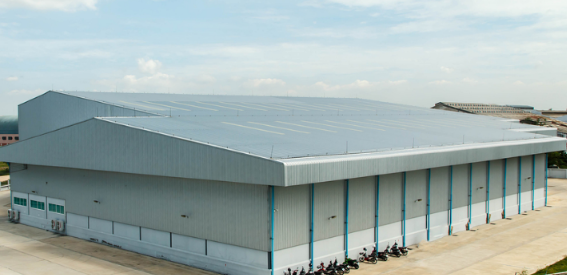
The Metal Option for Commercial Roofs
Roll-formed panels are fastened to the structure in a pattern that allows for movement; long panels are cut and formed to suit the building. Metal roofs handle heavy rain well, and the right finish helps keep the building cooler; coatings and finishes vary, so details are worth asking about.
In certain situations, new metal panels can be framed over an existing roof surface; each retrofit is designed around the individual building. Repairs to metal roofs focus on laps, fasteners, penetrations and edge trim; a panel that has been walked on may need replacement.
The Hidden Layers of a Flat Roof
Rigid insulation boards sit between the deck and the membrane on most commercial roofs; a cover board adds protection against hail and foot traffic. Soaked boards cannot be dried in place, so they must be cut out and replaced; large wet areas point toward a full tear-off.
A thin, dense board over the insulation adds impact resistance to the roof; dense boards add a small amount of weight and thickness. Wind forces try to lift roofs from the edges, so attachment patterns matter; fastener type must suit the deck material.
Coatings for Roofs: A Closer Look
Light-colored roofing materials reflect more of the sun and help the building stay cooler; rooftop surface temperatures can be far above air temperature. A restoration coating bonds to a cleaned surface and forms a new, continuous layer; coatings are not repairs for structural or drainage problems.
Low spots call for slope correction, added drains or a different system; no product replaces good drainage. A roof that will carry photovoltaic panels should be sound, since panels stay for a long time; coordinating the roof and the array saves effort.
Asphalt, Tile and Wood Roofs on Commercial Property
Sloped roofs on commercial property use materials much like those found on homes; the structure and the look of the building guide the choice. Hail is the main test for any steep-slope material in the region; broken tile is replaced piece by piece.
From Options to a Decision
The building decides which systems are possible, and the owner decides among them; how often people go on the roof changes the answer. A good proposal explains why one system suits the building better than another; a crew that explains the choices is easy to trust.
Where the Roof Meets Everything Else
Whatever the material, the places where a roof meets a wall, a curb or a pipe need their own flashing details; a detail built from the wrong material can fail long before the field of the roof. Counterflashing at a parapet wall sheds water over the top of the membrane; a visual check of each detail twice a season is a reasonable habit.
Getting Water Off the Roof
No roofing system works well if water cannot leave the roof; drainage should be looked at whenever a roof is replaced. Roof drains do their most important work during the hardest rain; drainage upgrades are often part of a roof replacement.
Caring for Each System Once It Is Down
Coated roofs should be cleaned and checked for peeling or thin areas; written notes from each inspection build a useful history. A seasonal walk, a post-storm check and a clear set of records cover most maintenance needs; every roof type responds well to attention.
What Local Rules Mean for the Choice of Roof System
Codes shape the choice of roof system by setting limits on materials, layers and attachment; permits are usually needed for a full roof replacement. Strong gusts test a roof assembly at its perimeter, so perimeter zones get extra fasteners or adhesive; testing and engineering back up the published attachment patterns.
Ready to Talk Materials?
Anyone weighing roof systems for a building in Richardson Texas can start with a call to Commercial Roofers Dallas; a short description of the building is enough to begin. Dial 469-677-8677 to talk through the options and arrange a site visit; a clear plan begins with a clear conversation.