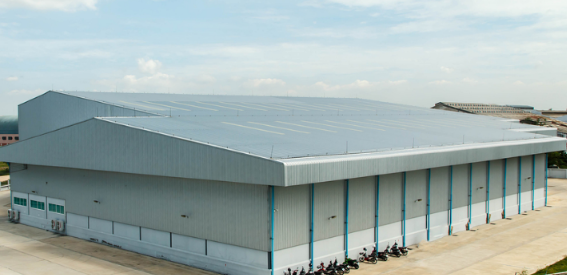
Choosing Materials for Flat Roofing Services in Grand Prairie Texas?
Commercial Roofers Dallas works with membranes, metal panels, built-up layers and coatings; material choice starts with how the roof will actually be used.
Contact us on 469-677-8677; describe the roof you have and the one you want.
Commercial roof systems are assemblies, not single products, and each layer has a distinct role; product names matter less than how the pieces fit. Anyone comparing Flat Roofing Services in Grand Prairie Texas will hear about membranes, bitumen sheets, metal panels and built-up layers; none is best everywhere, and most are excellent somewhere.
Single-Ply Systems for Low-Slope Buildings
A single-ply roof is a factory-made sheet laid over insulation, then fastened, glued or ballasted in place; TPO and PVC seams are welded with hot air to fuse the sheets. Dark EPDM absorbs heat, while white TPO and PVC send much of it back; details at walls and curbs deserve as much care as the open field.
Single-ply roofs are repaired by cleaning the area and welding or adhering a patch over the damage; a repair on the wrong material will not last. Membrane damage tends to cluster around drains, equipment curbs and access paths; service access routes deserve walk pads.
Asphalt-Based Sheets With a Polymer Boost
The sheets are made from asphalt with rubber-like or plastic additives, giving flexibility in heat and cold; a granule surface protects the asphalt from the sun. Torch-applied sheets bond quickly, but open flame calls for fire watches and careful planning; crews should explain which method is planned and why.
The thick, layered surface stands up well to foot traffic and rooftop maintenance; granule-coated caps resist sun and hail bruising. Look for blisters, open laps and bare patches where granules have worn away; moisture surveys can reveal wet insulation hidden beneath.
Built-Up Roofing and Its Gravel Surface
Several plies of felt are joined together with bitumen to form a thick, continuous membrane; gravel protects the asphalt from sun and foot traffic. Locating a leak in a built-up roof is a matter of following clues across layers; infrared or moisture surveys are often used on large roofs.
The decision to tear off or recover depends on moisture, weight and the condition of the deck; recovering saves disruption but leaves old layers in place. Debris from a gravel roof is heavy and abundant, so containment is part of the plan; a clean roof and a clean lot are both part of the work.
Steel and Aluminum Roof Panels
Roll-formed panels are fastened to the structure in a pattern that allows for movement; long panels are cut and formed to suit the building. A reflective metal finish can ease cooling demands during long hot spells; fastener care at laps and edges matters most.
In certain situations, new metal panels can be framed over an existing roof surface; each retrofit is designed around the individual building. A leaking metal roof often needs new sealant, new screws or a replaced panel at the trouble point; dissimilar metals and fasteners can corrode when mixed.
Thermal Layers and Their Role
Polyiso, EPS and other rigid boards provide the thermal layer beneath the roof surface; a cover board adds protection against hail and foot traffic. When water gets into insulation, it spreads and stays, even after the leak is stopped; a proper survey keeps repair decisions grounded in facts.
Hail-prone areas benefit from a high-density cover board under the membrane; extra protection is especially wise where storms are frequent. Every layer is attached to the one below, and the pattern of attachment must resist uplift; perimeter zones need more fasteners than the center of the roof.
Cool Roof Surfaces and Coatings
White membranes and reflective coatings are widely used on commercial buildings; summer heat makes reflectivity a practical concern. Liquid-applied coatings can refresh an aging roof that is still dry and sound underneath; coatings are not repairs for structural or drainage problems.
Coating a roof that holds water can shorten the life of the coating; a design fix is better than a product fix. Solar panels and reflective roofs can coexist, and the roof should be in good shape before panels go on; ballasted and attached systems both have a place.
When a Commercial Building Has a Pitched Roof
Sloped roofs on commercial property use materials much like those found on homes; asphalt shingles are the most common choice for pitched roofs. Hail season is a fact of life for pitched roofs here, and materials vary in how they respond; impact-rated shingles are one option in hail-prone areas.
Putting the Choices Together
The right roof begins with the building: its slope, its structure, its use and its surroundings; a warehouse and a restaurant may need very different roofs. A good proposal explains why one system suits the building better than another; taking time to compare saves effort once work begins.
Flashing: The Part Every System Shares
Manufacturers publish standard details for edges, curbs and penetrations, and good crews follow them; a detail built from the wrong material can fail long before the field of the roof. Metal edge trim keeps wind from lifting the membrane at the perimeter; old sealant that has cracked is an early warning.
Getting Water Off the Roof
A flat roof is never truly flat, and drainage is built in through slope, drains and scuppers; drainage should be looked at whenever a roof is replaced. A sudden thunderstorm can drop more water than a clogged drain can handle; drainage upgrades are often part of a roof replacement.
What Each Roof Type Asks of the Owner
Built-up roofs with gravel benefit from a check for bare spots where stone has washed away; each system has its own signs of trouble. Routine upkeep is inexpensive compared with the damage that neglect allows; the building and the roof both benefit from steady care.
What Local Rules Mean for the Choice of Roof System
The code requirements for a commercial roof cover fire, wind, drainage and energy use; questions about code are best raised before materials are ordered. Strong gusts test a roof assembly at its perimeter, so perimeter zones get extra fasteners or adhesive; manufacturers publish attachment patterns for each system.
Let Us Look at the Roof Before Choosing
Commercial Roofers Dallas serves commercial properties in Grand Prairie Texas and the nearby towns; a short description of the building is enough to begin. Contact 469-677-8677 with the address and a few details about the current roof; our team is glad to answer questions before anything is decided.