Choosing Materials for Commercial Roofing in Dallas Texas?
Commercial Roofers Dallas builds and mends roofs on warehouses, offices and shops in many materials; a short conversation about the building comes before a conversation about product.
Call 469-677-8677; tell us what the building needs from its roof.
Underneath any membrane or metal panel sits a deck, an insulating layer and an attachment method; product names matter less than how the pieces fit. Searching for Commercial Roofing in Dallas Texas is easier with a rough idea of the main system families; each family suits certain buildings better than others.
TPO, PVC and EPDM at a Glance
A single-ply roof is a factory-made sheet laid over insulation, then fastened, glued or ballasted in place; the method of attachment is one of the main points to compare. Dark EPDM absorbs heat, while white TPO and PVC send much of it back; details at walls and curbs deserve as much care as the open field.
A cut or puncture in a single-ply sheet is fixed with a matching patch, sealed along every edge; small repairs are practical on most membrane types. Wear patterns on a single-ply roof usually trace back to water and traffic; good detailing around equipment pays off for as long as the roof lasts.
Modified Bitumen Roofing Explained
The sheets are made from asphalt with rubber-like or plastic additives, giving flexibility in heat and cold; the cap sheet takes the weather and the base sheet backs it up. Hot work is common with modified bitumen, but not every project calls for it; fire safety plans are standard for any heat-applied system.
The thick, layered surface stands up well to foot traffic and rooftop maintenance; granule-coated caps resist sun and hail bruising. Look for blisters, open laps and bare patches where granules have worn away; a close look from a crew will sort what is cosmetic from what is serious.
Built-Up Roofing and Its Gravel Surface
Built-up roofing is the long-standing multi-ply system, assembled in place layer by layer; the stone surface also adds weight and fire resistance. Gravel hides the surface, so finding the source of a leak takes some patience; infrared or moisture surveys are often used on large roofs.
Moving from a built-up roof to a single-ply or bitumen system is a common upgrade; tear-off allows a full look at the deck and insulation. Handling loose stone during tear-off calls for planning and the right equipment; protecting cars and walkways is a basic courtesy.
Steel and Aluminum Roof Panels
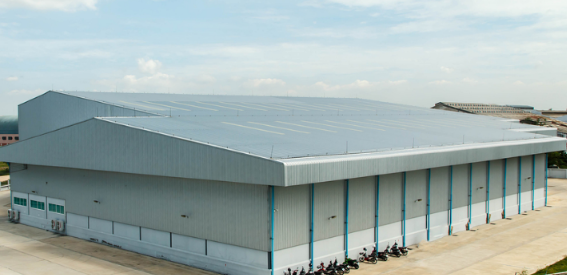
Commercial metal roofs are built from steel or aluminum panels, either with concealed clips or visible screws; concealed-clip systems let panels expand and contract with the heat. A reflective metal finish can ease cooling demands during long hot spells; fastener care at laps and edges matters most.
Retrofit framing can create slope and ventilation where the old roof had none; each retrofit is designed around the individual building. Metal roof repairs involve sealing fasteners, replacing damaged panels and refreshing flashing; correct diagnosis comes before any sealant is applied.
Insulation, Boards and Fasteners
The thermal layer under the membrane affects comfort inside and energy use for the whole building; fastening patterns must meet the requirements of the system. When water gets into insulation, it spreads and stays, even after the leak is stopped; large wet areas point toward a full tear-off.
Adding a board layer reduces the chance of hail bruising the membrane; a flat, firm base improves seam quality and adhesion. Attachment is a matter of engineering, with different zones receiving different treatment; fastener type must suit the deck material.
Coatings, Reflective Surfaces and Reflective Roofs
Roof color and reflectivity influence how hard the air conditioning has to work; reflective surfaces also reduce thermal stress on the membrane. Coatings such as acrylic, silicone and polyurethane are rolled or sprayed onto a prepared roof; surface preparation is the largest part of the job.
Coating a roof that holds water can shorten the life of the coating; crickets and drains are the common cures for ponding. Putting solar panels over a worn roof means removing them later to replace the surface; coordinating the roof and the array saves effort.
Shingle, Tile and Wood on Smaller Commercial Roofs
Pitched commercial roofs are covered with asphalt shingles, clay or concrete tile, wood or metal; asphalt shingles are the most common choice for pitched roofs. Hail is the main test for any steep-slope material in the region; impact-rated shingles are one option in hail-prone areas.
Choosing With the Whole Building in Mind
The building decides which systems are possible, and the owner decides among them; good advice starts with questions about the building. Ask for two or three options on paper, each with its layers, attachment and details described; details such as flashing and edge metal belong in the comparison.
Flashing: The Part Every System Shares
Manufacturers publish standard details for edges, curbs and penetrations, and good crews follow them; photographs of each detail record what was built. Rooftop equipment curbs are wrapped, sealed and capped to keep water out; replacing a worn boot is a small job that prevents large damage.
Slope, Scuppers and Drains
Interior drains, scuppers and gutters carry water off a low-slope roof in different ways; strainers keep debris out of the drain lines. Heavy spring downpours test drainage more than any other weather; overflow paths prevent water from rising above the flashing.
Routine Care That Fits the System
Bitumen roofs call for attention to blisters, laps and granule loss; photographs make comparison from one visit to the next easy. Owners who inspect after hail and wind catch damage early and keep repairs small; the building and the roof both benefit from steady care.
What Local Rules Mean for the Choice of Roof System
The code requirements for a commercial roof cover fire, wind, drainage and energy use; a design professional or the local building department can confirm what applies. Wind uplift is a design matter on any low-slope roof, since edges and corners take the heaviest forces; a crew follows the published pattern and documents the work.
Ready to Look at Your Options?
Owners and managers across Dallas Texas can reach Commercial Roofers Dallas to talk about roof systems and materials; options are laid out in plain terms before anything is decided. Phone 469-677-8677 and tell us about the roof so we can plan a visit; we would rather answer a question early than fix a surprise late.