Making Sense of Roofers in Irving Texas?
Commercial Roofers Dallas brings a crew to business buildings across the metro area; the roof is examined first and the paperwork follows.
Call 469-677-8677; describe the leak, the damage or the project you have in mind.
Choosing a commercial roofing crew is mostly a matter of comparing how clearly each one describes the work; a short, specific document beats a long, general one. Owners looking for Roofers in Irving Texas typically want a roof that stops being a worry; a few photos and a short history of the roof speed up every conversation.
Reading a Roofing Proposal Closely
A thorough proposal lists every layer from the deck up, along with how each is fastened or joined; comparing like with like is only possible when the lists match. The scope should say how rooftop units, vents and drains will be flashed and sealed; a roof is only as tight as its weakest transition.
Ask how the crew handles wet insulation found during tear-off; hidden conditions are common and should never be a surprise to the paperwork. The bid should say how debris is contained, hauled off and kept away from cars and walkways; the lot below the roof is part of the job too.
A Close Look at the Surface
A walk across a flat roof usually takes in the drains, the field, the seams and each rooftop curb; findings are easiest to discuss when the owner can see them too. Owners are welcome to come along, and a roof walk goes better with the building’s maintenance records at hand; where and when a leak appears matters as much as how much water comes in.
Look for areas that stay wet long after the rest of the roof has dried; low areas are best found before any material is chosen. The crew checks how equipment is flashed and whether supports sit on pads or directly on the membrane; heavy use around equipment calls for walk pads and extra protection.
Keeping the Building Open During the Work
Tenants keep working below while a crew works above; a sequence that protects the interior is part of the job. Many projects are staged so each area is dried in before the next one is opened; weather in the forecast shapes the order in which areas are tackled.
The crew and the property manager decide together where equipment can park and where it cannot; foot traffic below is routed away from the work area. Vibration and dust from the work can reach the interior, so preparation inside matters; taking a few minutes inside saves hours of cleanup later.
Reading Differences Between Bids
Compare what is included before comparing the bottom line; a gap between bids usually points to a gap in scope. Ask each contractor the same questions about drainage, flashing and fastening and compare what comes back; how a question is handled tells more than any number.
Look for a plan for change orders, not a promise that nothing will change; written procedures for extras protect both sides. Schedule and sequencing also deserve a place in the comparison; communication about delays is part of good service.
How a Careful Crew Handles Roof Hazards
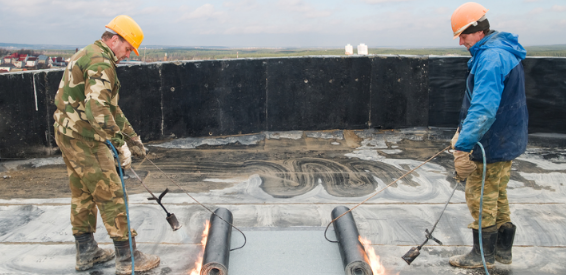
Roof edges, skylights and open hatches are the main fall hazards on a commercial building; the plan should be clear before the day begins. Heat-applied membranes need extra attention to fire safety during and after installation; cold-applied and mechanically attached options avoid open flame altogether.
Gusty afternoons and slick membranes after a storm call for adjusted plans; pacing the work to the weather protects both people and the roof. Material handling on the roof is another place where planning pays off; handling material safely helps the job go smoothly.
Asking the Right Questions About Materials
Insulation, boards and attachment methods are as important as the surface material; the layers underneath are where shortcuts hide. A project that improves slope or adds drains can change how long the roof lasts; drain bowls and strainers are small parts with large consequences.
Seam construction varies by system, and each approach has different strengths; seams are where membrane roofs most often show their age. Edge metal and terminations are the second place to ask questions, since wind loads concentrate there; fastener spacing at the perimeter is often tighter than in the field.
Who to Call and When
Having one person responsible for communication keeps messages from getting lost; a daily note on progress is easy to give and valuable to receive. Photos taken at each stage give the owner a record of what lies under the finished surface; good records also help with future maintenance planning.
Changes to the plan should be put in writing before the extra work happens; written changes protect both the owner and the crew. Rain, wind and lightning will interrupt a project, and the owner should hear about it promptly; temporary protection is a standard part of every plan.
Cleanup, Close-Out and Records
The close-out of a roof project should include a walk with the owner or manager; a quick final look can save a return trip. The lot, landscaping and walkways should look as they did before work began; a magnet pass is simple and worth insisting on.
Keep the paperwork from the project in one place, including the scope, photos and any change records; a tidy folder is the simplest tool for roof management. Plan a first inspection soon after the project to catch anything that settled in; a crew that welcomes follow-up is confident in its work.
Maintenance That Extends a Roof’s Life
A walk across the roof in spring and again in fall is a simple maintenance routine; a maintenance plan fits the building and how it is used. Clear drains and clean surfaces help a roof shed water as it was designed to; tree limbs overhanging the roof are worth trimming back.
Workers who visit the roof for other reasons can cause damage without realizing it; walk pads are inexpensive protection around high-traffic areas. A prompt visit to a leaking roof can prevent damage to insulation, decking and the interior; keeping a log of leaks helps pinpoint patterns.
Start With the Roof Itself
Anyone responsible for a commercial building in Irving Texas can start with a call to Commercial Roofers Dallas; the conversation starts with the roof and what the roof needs. Call 469-677-8677 to describe the building and set a time for a walk across the roof; we would rather answer a question early than fix a surprise late.