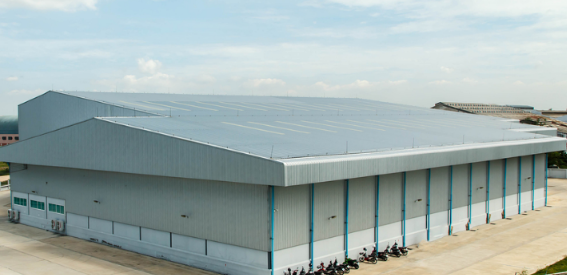
Choosing Materials for Roofing in Frisco Texas?
Commercial Roofers Dallas puts down new roofs of several types on business buildings; a short conversation about the building comes before a conversation about product.
Contact us on 469-677-8677; ask about the systems that suit your property.
Underneath any membrane or metal panel sits a deck, an insulating layer and an attachment method; a change in one layer can affect all the others. People who ask about Roofing around Frisco Texas usually meet the same handful of system types; the right choice follows from the building and not the brochure.
Single-Ply Systems for Low-Slope Buildings
Rolls of membrane are unrolled across the roof and seamed together into a watertight skin; sheets can be attached with fasteners, adhesive or loose ballast. TPO and PVC are white, heat-welded sheets that reflect much of the summer sun; details at walls and curbs deserve as much care as the open field.
Damage to a membrane is repaired by preparing the surface and adhering new material over the opening; a repair on the wrong material will not last. Ponding water, foot traffic and rooftop equipment are the usual causes of early wear on single-ply roofs; service access routes deserve walk pads.
How Bitumen Sheet Roofs Are Built
Modified bitumen is asphalt blended with polymers and reinforced with fabric, supplied in rolled sheets; overlaps are sealed so that water cannot find a path. The choice between torch, adhesive and self-adhered application depends on the building and its use; each application method has its place.
Modified bitumen is valued for toughness underfoot, which suits roofs with regular service traffic; seam and flashing details are the usual weak points. Cracks along seams or at flashing are common findings on older modified bitumen roofs; a close look from a crew will sort what is cosmetic from what is serious.
Built-Up and Tar and Gravel Roofs
Built-up roofing is the long-standing multi-ply system, assembled in place layer by layer; many older commercial buildings still wear built-up roofs. Gravel makes the roof harder to read, and that makes careful inspection more important; a patient inspection saves a lot of unnecessary tearing.
The decision to tear off or recover depends on moisture, weight and the condition of the deck; recovering saves disruption but leaves old layers in place. Handling loose stone during tear-off calls for planning and the right equipment; blocked drains are a risk during any tear-off.
Metal Roof Systems in Plain Terms
Standing seam panels hide their fasteners beneath raised seams, while exposed-fastener panels show screws on the surface; exposed screws need periodic checking, since washers and sealant age. A reflective metal finish can ease cooling demands during long hot spells; coatings and finishes vary, so details are worth asking about.
Retrofit framing can create slope and ventilation where the old roof had none; a survey of the old roof is needed before the plan is set. Leaks on metal roofs typically start at seams, screws or flashing instead of the panel itself; correct diagnosis comes before any sealant is applied.
Insulation, Boards and Fasteners
Boards of rigid insulation are laid in staggered courses to limit gaps and thermal bridging; tapered insulation can create slope toward drains. Soaked boards cannot be dried in place, so they must be cut out and replaced; infrared scans, core samples and moisture meters help to find wet areas.
Adding a board layer reduces the chance of hail bruising the membrane; materials vary, and the right one depends on the membrane. Every layer is attached to the one below, and the pattern of attachment must resist uplift; adhered systems rely on clean, dry surfaces.
Cool Roof Surfaces and Coatings
Light-colored roofing materials reflect more of the sun and help the building stay cooler; dirt and age lower reflectivity, so cleaning helps. Restoring a roof with a coating can postpone replacement when conditions allow; a moisture survey comes before any coating decision.
A coating is not a cure for ponding water, and drainage problems need their own solution; an honest evaluation looks at the water first. Solar panels and reflective roofs can coexist, and the roof should be in good shape before panels go on; a conversation with the roofing crew is a smart first step.
Sloped Roof Materials at a Glance
Buildings with visible roof slopes typically use shingle, tile, wood or standing seam metal; asphalt shingles are the most common choice for pitched roofs. Hail is the main test for any steep-slope material in the region; broken tile is replaced piece by piece.
Choosing With the Whole Building in Mind
A system should be chosen for the building as it is, not as the brochure assumes; how often people go on the roof changes the answer. A good proposal explains why one system suits the building better than another; the best option on paper is the one that fits the building.
Where the Roof Meets Everything Else
Every roofing system relies on flashing where the surface stops against something else; photographs of each detail record what was built. Counterflashing, edge metal and pipe boots each have a job, and each one can be inspected; replacing a worn boot is a small job that prevents large damage.
Getting Water Off the Roof
Slope toward the drains is created by the deck or by tapered insulation; a crew can add crickets to steer water around curbs. Intense summer rain arrives fast, and drains must be ready for it; a walk after a downpour shows where water lingers.
Keeping Any Commercial Roof in Good Shape
Coated roofs should be cleaned and checked for peeling or thin areas; written notes from each inspection build a useful history. Owners who inspect after hail and wind catch damage early and keep repairs small; a crew that offers inspection visits is thinking about the long run.
Building Codes and the Roof Assembly
Codes shape the choice of roof system by setting limits on materials, layers and attachment; requirements change over time, so an older roof may not match current rules. A roof that resists wind well has careful attachment at the edges, corners and flashing; details at edges are among the most important parts of the design.
Ready to Look at Your Options?
Owners and managers across Frisco Texas can reach Commercial Roofers Dallas to talk about roof systems and materials; options are laid out in plain terms before anything is decided. Contact 469-677-8677 with the address and a few details about the current roof; a clear plan begins with a clear conversation.