What Goes Into a Commercial Roofing System: Tar & Gravel Roofing Services in Irving Texas?
Commercial Roofers Dallas handles flat and sloped commercial roofs in a range of materials; the right system depends on slope, traffic and what sits on the roof.
Reach us at 469-677-8677; ask about the systems that suit your property.
Commercial roof systems are assemblies, not single products, and each layer has a distinct role; good design treats the roof as one assembly. A request for Tar & Gravel Roofing Services near Irving Texas leads to a short list: single-ply, bitumen, built-up, metal or coating; a plain description of each makes comparing proposals far easier.
Single-Ply Systems for Low-Slope Buildings
A single-ply roof is a factory-made sheet laid over insulation, then fastened, glued or ballasted in place; TPO and PVC seams are welded with hot air to fuse the sheets. White reflective membranes help keep rooftops cooler through long, hot summers; seam quality is the key to a long-lasting single-ply roof.
Repairs on a membrane roof start with finding the break, cleaning the surface and applying a compatible patch; a repair on the wrong material will not last. Membrane damage tends to cluster around drains, equipment curbs and access paths; protecting the surface where people walk is inexpensive protection for the sheet.
Modified Bitumen on Flat Commercial Roofs
Modified bitumen is asphalt blended with polymers and reinforced with fabric, supplied in rolled sheets; overlaps are sealed so that water cannot find a path. Torch-applied sheets bond quickly, but open flame calls for fire watches and careful planning; self-adhered sheets are convenient for smaller areas and details.
Modified bitumen is valued for toughness underfoot, which suits roofs with regular service traffic; regular inspection catches blisters and open laps early. Alligator-pattern cracking and exposed fabric mean the surface needs attention; coatings are one option when the underlying sheet is sound.
Tar and Gravel Roofs Today
Tar and gravel roofs are built up from felts and bitumen, then topped with a layer of stone; repairs often involve patching layers one at a time. Gravel makes the roof harder to read, and that makes careful inspection more important; infrared or moisture surveys are often used on large roofs.
Moving from a built-up roof to a single-ply or bitumen system is a common upgrade; any replacement path should be explained in writing before work begins. Debris from a gravel roof is heavy and abundant, so containment is part of the plan; the plan for gravel should be set before the first day.
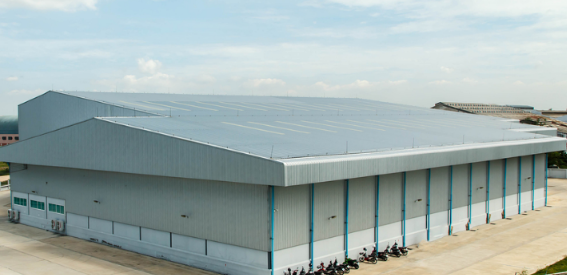
Metal Roofing on Commercial Buildings
Standing seam panels hide their fasteners beneath raised seams, while exposed-fastener panels show screws on the surface; exposed screws need periodic checking, since washers and sealant age. Metal roofs handle heavy rain well, and the right finish helps keep the building cooler; noise from rain can be addressed with insulation underneath.
Metal roofing can be installed over old roofs in some cases, avoiding tear-off; added framing must be anchored to the structure and not just the old deck. A leaking metal roof often needs new sealant, new screws or a replaced panel at the trouble point; edge trim and closures often fail before panels do.
What Sits Between the Deck and the Membrane
Rigid insulation boards sit between the deck and the membrane on most commercial roofs; thickness is set by the design needs of the building. When water gets into insulation, it spreads and stays, even after the leak is stopped; replacing small wet sections can extend the life of the roof.
Cover boards protect softer insulation from hail, foot traffic and fastener stress; not every system includes a cover board, so it is worth asking. Wind forces try to lift roofs from the edges, so attachment patterns matter; thoughtful attachment is part of a roof that lasts through storm season.
Coatings, Reflective Surfaces and Reflective Roofs
Roof color and reflectivity influence how hard the air conditioning has to work; summer heat makes reflectivity a practical concern. Coatings such as acrylic, silicone and polyurethane are rolled or sprayed onto a prepared roof; a trial section can show how well a coating bonds.
Low spots call for slope correction, added drains or a different system; some silicone coatings tolerate ponding better than others. Solar panels and reflective roofs can coexist, and the roof should be in good shape before panels go on; coordinating the roof and the array saves effort.
Asphalt, Tile and Wood Roofs on Commercial Property
Some commercial buildings, such as offices, churches and small retail centers, have pitched roofs; tile roofs are heavy, and the structure must be able to carry the load. Hail is the main test for any steep-slope material in the region; broken tile is replaced piece by piece.
Slope, Use and Exposure: Picking the Right Roof
A system should be chosen for the building as it is, not as the brochure assumes; good advice starts with questions about the building. Ask for two or three options on paper, each with its layers, attachment and details described; clear comparisons help owners decide with confidence.
Where the Roof Meets Everything Else
Whatever the material, the places where a roof meets a wall, a curb or a pipe need their own flashing details; sealant alone is a temporary answer. Pipe boots and pitch pans around penetrations dry out and crack with age; edge metal that has loosened is worth fixing before the next storm.
Why Drainage Shapes the Choice of System
A flat roof is never truly flat, and drainage is built in through slope, drains and scuppers; strainers keep debris out of the drain lines. Heavy spring downpours test drainage more than any other weather; a drain that works on a dry day may still be undersized.
Simple Upkeep for Membranes, Bitumen and Metal Roofs
Bitumen roofs call for attention to blisters, laps and granule loss; small repairs keep large ones away. A plain maintenance plan fits on one page and can be shared with every trade that visits the roof; the building and the roof both benefit from steady care.
Meeting Code With the Right Assembly
Codes shape the choice of roof system by setting limits on materials, layers and attachment; a good crew builds to the code in force on the day of the work. Fastening patterns and edge details are chosen to resist the wind that the building can face; testing and engineering back up the published attachment patterns.
Talk Through the Systems With Our Crew
Commercial Roofers Dallas serves commercial properties in Irving Texas and the nearby towns; questions are welcome at every stage of the process. Dial 469-677-8677 to talk through the options and arrange a site visit; our team is glad to answer questions before anything is decided.