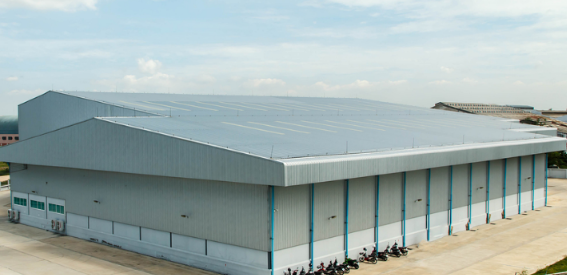
Materials and Methods Behind Commercial Roofing in Garland Texas?
Commercial Roofers Dallas installs and repairs the major commercial roof systems; material choice starts with how the roof will actually be used.
Contact us on 469-677-8677; tell us what the building needs from its roof.
Underneath any membrane or metal panel sits a deck, an insulating layer and an attachment method; deck, insulation, board and surface are chosen together or not at all. People who ask about Commercial Roofing around Garland Texas usually meet the same handful of system types; the sections below describe each family in plain language.
Single-Ply Membranes: TPO, PVC and EPDM
Single-ply membranes arrive in large rolls and are rolled out across insulation on the roof deck; EPDM is a rubber sheet whose seams are glued or taped. Heat-welded seams on TPO and PVC form a bond that becomes part of the sheet itself; a crew that probes its seams is checking the part that matters most.
Membrane repairs depend on matching the patch to the sheet and sealing every edge; finding the real source of a leak is usually the hardest step. Membrane damage tends to cluster around drains, equipment curbs and access paths; good detailing around equipment pays off for as long as the roof lasts.
Modified Bitumen Roofing Explained
The sheets are made from asphalt with rubber-like or plastic additives, giving flexibility in heat and cold; installation method changes how a roof is built and how a crew works. Application method is a safety and scheduling decision as much as a material one; each application method has its place.
A modified bitumen roof is a practical choice where people will be walking on the surface; granule-coated caps resist sun and hail bruising. Look for blisters, open laps and bare patches where granules have worn away; moisture surveys can reveal wet insulation hidden beneath.
Built-Up Roofing and Its Gravel Surface
Built-up roofing is the long-standing multi-ply system, assembled in place layer by layer; a built-up roof is heavy and the deck must be able to carry it. Gravel makes the roof harder to read, and that makes careful inspection more important; the right fix targets the actual opening and not the visible stain.
Moving from a built-up roof to a single-ply or bitumen system is a common upgrade; local codes can limit the number of layers on a deck. Debris from a gravel roof is heavy and abundant, so containment is part of the plan; the plan for gravel should be set before the first day.
The Metal Option for Commercial Roofs
Standing seam panels hide their fasteners beneath raised seams, while exposed-fastener panels show screws on the surface; exposed screws need periodic checking, since washers and sealant age. Metal is a lightweight option, which suits buildings where deck capacity is limited; coatings and finishes vary, so details are worth asking about.
Metal roofing can be installed over old roofs in some cases, avoiding tear-off; code and load limits decide whether a retrofit is practical. Metal roof repairs involve sealing fasteners, replacing damaged panels and refreshing flashing; dissimilar metals and fasteners can corrode when mixed.
Board Stock and Insulation, Explained
Rigid insulation boards sit between the deck and the membrane on most commercial roofs; tapered insulation can create slope toward drains. When water gets into insulation, it spreads and stays, even after the leak is stopped; replacing small wet sections can extend the life of the roof.
A thin, dense board over the insulation adds impact resistance to the roof; materials vary, and the right one depends on the membrane. Wind forces try to lift roofs from the edges, so attachment patterns matter; adhered systems rely on clean, dry surfaces.
Coatings, Reflective Surfaces and Reflective Roofs
A cool roof is one that reflects sunlight and releases absorbed heat quickly; rooftop surface temperatures can be far above air temperature. A restoration coating bonds to a cleaned surface and forms a new, continuous layer; coatings are not repairs for structural or drainage problems.
A coating is not a cure for ponding water, and drainage problems need their own solution; no product replaces good drainage. Photovoltaic system roofs work best when the roof beneath is in good order before installation; coordinating the roof and the array saves effort.
Asphalt, Tile and Wood Roofs on Commercial Property
Pitched commercial roofs are covered with asphalt shingles, clay or concrete tile, wood or metal; tile roofs are heavy, and the structure must be able to carry the load. Impact from hailstones can bruise shingles, crack tile and dent metal; inspection after a storm is the way to catch hidden damage.
From Options to a Decision
The right roof begins with the building: its slope, its structure, its use and its surroundings; drainage and equipment layout shape the options. A written comparison of two or three systems makes the choice clearer; details such as flashing and edge metal belong in the comparison.
Details That Decide Whether a System Performs
Manufacturers publish standard details for edges, curbs and penetrations, and good crews follow them; flashing details are a better test of a crew than the open surface. Counterflashing at a parapet wall sheds water over the top of the membrane; old sealant that has cracked is an early warning.
Roof Drainage Basics
A flat roof is never truly flat, and drainage is built in through slope, drains and scuppers; standing water shortens the life of nearly every membrane. A sudden thunderstorm can drop more water than a clogged drain can handle; overflow paths prevent water from rising above the flashing.
Maintenance by Material
Metal roofs need their fasteners, sealants and trim looked over from time to time; written notes from each inspection build a useful history. Routine upkeep is inexpensive compared with the damage that neglect allows; a crew that offers inspection visits is thinking about the long run.
Building Codes and the Roof Assembly
Building codes set minimum standards for fire performance, wind resistance and insulation; requirements change over time, so an older roof may not match current rules. Fastening patterns and edge details are chosen to resist the wind that the building can face; a crew follows the published pattern and documents the work.
Ready to Look at Your Options?
Owners and managers across Garland Texas can reach Commercial Roofers Dallas to talk about roof systems and materials; questions are welcome at every stage of the process. Phone 469-677-8677 and tell us about the roof so we can plan a visit; we would rather answer a question early than fix a surprise late.