Making Sense of Commercial Roofers in Irving Texas?
Commercial Roofers Dallas works on the roofs of shops, offices and industrial buildings nearby; a site visit comes before any proposal is written.
Call 469-677-8677; say what you have noticed and where on the property.
The best commercial roofing proposals are the ones a building owner can read and picture; specific scope is the first thing to look for in any proposal. Owners looking for Commercial Roofers in Irving Texas typically want a roof that stops being a worry; writing down what has already been tried saves time on the first visit.
The Lines a Bid Should Never Skip
A thorough proposal lists every layer from the deck up, along with how each is fastened or joined; comparing like with like is only possible when the lists match. Flashing at walls, curbs, pipes and edges deserves its own line in the scope; a detail left off the scope is a detail left to chance.
It helps to know the plan for the moment the old roof reveals problems underneath; hidden conditions are common and should never be a surprise to the paperwork. Cleanup, debris removal and protection of landscaping or parking areas should appear on paper; a clean site is a sign of an organized crew.
On the Roof Before Any Proposal
The visit covers low spots, blistering, open seams, loose flashing and anything that holds water; details noticed early prevent surprises in the middle of the project. Owners are welcome to come along, and a roof walk goes better with the building’s maintenance records at hand; a leak that follows heavy rain points somewhere different than a leak after a dry week.
Standing water on a flat roof several days after rain is a finding that belongs in the notes; ponding points to a design or settlement issue rather than a simple repair. Anything that passes through the roof surface, from vents to electrical conduit, is looked at closely; foot traffic near units is a common source of punctures.
A Schedule That Fits the Business Below
A roofing project on an occupied building needs a plan for the people underneath; noise, dust and deliveries all need to be planned for. Many projects are staged so each area is dried in before the next one is opened; sudden storms are common enough that nothing should be left open overnight.
Loading material onto a roof takes space, and that space has to be set aside in advance; parking lots fill up quickly, so planning matters. Occupants are told which areas are under work and which are safe to use; taking a few minutes inside saves hours of cleanup later.
Comparing Bids Item by Item
Line up the scope sections of each bid before looking at anything else; differences in thickness, fastening and flashing explain most differences in totals. Ask each contractor the same questions about drainage, flashing and fastening and compare what comes back; specific replies beat general reassurance.
Proposals that explain how extra work is documented and approved tend to avoid arguments; photos and measurements should back up any added work. Dates alone matter less than the thinking behind them; schedules built around the building tend to hold up better.
How a Careful Crew Handles Roof Hazards
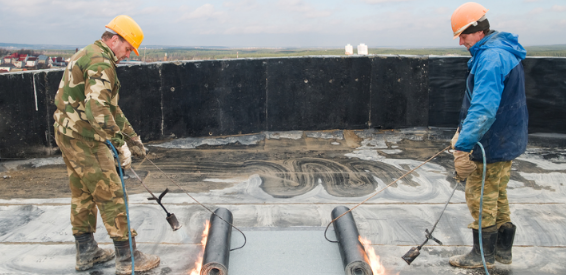
The perimeter, skylight openings and roof hatches call for guardrails, covers or warning lines; safe setup comes before the first roll of material goes up. Open flame on a roof means clear rules about extinguishers, spotters and combustible materials; cold-applied and mechanically attached options avoid open flame altogether.
Weather affects safety as well, and summer heat on a dark roof can be punishing for the crew; early mornings often make for the best working conditions. The weight of materials, equipment and crew on an aged roof is worth thinking about before loading; handling material safely helps the job go smoothly.
Materials, Drainage and Details Worth Asking About
Attention to what lies under the membrane often separates lasting work from quick work; careful crews are glad to explain what goes where. A project that improves slope or adds drains can change how long the roof lasts; drain bowls and strainers are small parts with large consequences.
Find out how seams are made and checked before the membrane goes down; a probe test along welded seams is a common quality check. Roof edges take the heaviest wind forces, so edge metal and fastening need special care; edge details are among the first things to fail in a bad storm.
Who to Call and When
A single reliable contact prevents the confusion of passing questions along; updates are most useful when they are short and regular. Photos taken at each stage give the owner a record of what lies under the finished surface; visual records remove doubt about what was done.
Extra work is discussed and documented, not assumed; informal agreements are the main source of disputes. A message about the day’s plan, even when the plan is a pause, is part of good communication; schedules shift, and honest updates make that easier to accept.
Close-Out Steps That Matter
Before the crew leaves, a final inspection of the roof surface, drains and flashing should take place; punch-list items are easier to fix before equipment leaves the property. The lot, landscaping and walkways should look as they did before work began; everything that came onto the property should leave with the crew.
Records of what was installed and where make future maintenance far easier; the file should include the contacts for the crew who did the work. Plan a first inspection soon after the project to catch anything that settled in; a short visit after a storm is a normal part of good service.
Keeping a Roof Maintained Afterward
A scheduled inspection routine is the best defense against surprise leaks; a short checklist and a few photographs are enough to start. Remove debris from valleys, drains and curbs before the next rain; cleaning takes minutes and prevents damage that takes weeks to fix.
Workers who visit the roof for other reasons can cause damage without realizing it; small habits make a real difference to a roof over time. A stain on a ceiling tile or a puddle near a wall is worth a quick call and a few photographs; a call this week beats a bigger call after the next rain.
Ready to Talk Through the Roof?
To arrange a roof visit anywhere around Irving Texas, get in touch with Commercial Roofers Dallas; a short description of the roof is enough to get started. Reach us at 469-677-8677 and we will set up a time that works around the business; our crew listens first, then looks, then writes the plan down.