Where to Start With Roofers Near Grand Prairie Texas?
Commercial Roofers Dallas works on the roofs of shops, offices and industrial buildings nearby; the roof is examined first and the paperwork follows.
Phone 469-677-8677; describe the leak, the damage or the project you have in mind.
A sound commercial roof proposal reads like a plan and not like a sales brochure; specific scope is the first thing to look for in any proposal. Searching for Roofers in Grand Prairie Texas usually begins with a leak, a failed inspection or a plan to sell; a few photos and a short history of the roof speed up every conversation.
The Lines a Bid Should Never Skip
A thorough proposal lists every layer from the deck up, along with how each is fastened or joined; two bids that sound alike can describe very different roofs. Edge metal, curbs and penetrations should each be named instead of lumped into a general line; a roof is only as tight as its weakest transition.
Ask how the crew handles wet insulation found during tear-off; no roof is fully known until the old layers come off. Protection for skylights, rooftop equipment and the ground below deserves a line of its own; a clean site is a sign of an organized crew.
A Close Look at the Surface
During a visit, the crew looks at drainage, flashing, seams, penetrations and the condition of the surface; notes from the walk become the backbone of the proposal. A manager who has seen the leaks firsthand can save a lot of guessing during the visit; old patches show where trouble keeps coming back.
Look for areas that stay wet long after the rest of the roof has dried; pooled water is a cue to look at the deck, the drains and the layout. Anything that passes through the roof surface, from vents to electrical conduit, is looked at closely; equipment areas often tell the story of a roof’s hardest use.
Planning Around a Busy Property
Commercial roof work often happens above people who keep working all day; noise, dust and deliveries all need to be planned for. Many projects are staged so each area is dried in before the next one is opened; dry-in at the end of each day is the standard to look for.
Access for trucks, lifts and dumpsters has to be arranged with the property owner ahead of time; parking lots fill up quickly, so planning matters. Ceiling tiles, shelving and inventory beneath the active section are moved or covered; sensitive equipment deserves extra attention.
Why the Lowest Number Can Mislead
The first step in comparing bids is making sure each one covers the same scope; mismatched scopes are the main reason owners feel misled later. Call each crew with the same list of questions and note how the replies differ; a hesitant reply on drainage is worth pausing over.
Proposals that explain how extra work is documented and approved tend to avoid arguments; transparency about unknowns builds trust before the work starts. Check whether each proposal explains when work begins and how long each stage is expected to take; schedules built around the building tend to hold up better.
Keeping a Work Site Safe
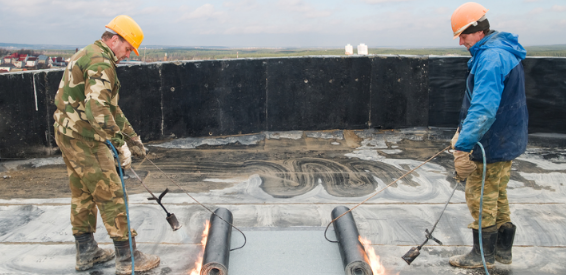
Edge protection and covered openings are the baseline for work on any commercial roof; a tidy site is almost always a safe one. Open flame on a roof means clear rules about extinguishers, spotters and combustible materials; cold-applied and mechanically attached options avoid open flame altogether.
Heat, wind and wet surfaces all change how safely work can proceed; early mornings often make for the best working conditions. Rolls of membrane and stacks of insulation can overload a roof if staged carelessly; plans for loading keep the building safe as well as the crew.
System Choices That Shape the Whole Job
The membrane gets the attention, but insulation, cover board and fasteners decide much of how a roof performs; details beneath the surface rarely show up in photographs. Drains, scuppers and gutters keep water moving off the roof and deserve a close look during any project; checking overflow routes is part of a careful design.
Welded, adhered or taped seams each call for different skills and conditions; installation conditions such as heat and dust matter for seams. Edge metal and terminations are the second place to ask questions, since wind loads concentrate there; fastener spacing at the perimeter is often tighter than in the field.
Staying in the Loop During the Project
A single reliable contact prevents the confusion of passing questions along; updates are most useful when they are short and regular. Photographs at key moments show what happened below the visible surface; good records also help with future maintenance planning.
If the scope changes, the new scope is agreed on paper before anyone picks up a tool; speed matters on a roof, but clarity matters more. Rain, wind and lightning will interrupt a project, and the owner should hear about it promptly; schedules shift, and honest updates make that easier to accept.
Finishing the Job Properly
The close-out of a roof project should include a walk with the owner or manager; a quick final look can save a return trip. Site cleanup should include a magnet sweep of the lot to pick up stray fasteners; everything that came onto the property should leave with the crew.
Records of what was installed and where make future maintenance far easier; a tidy folder is the simplest tool for roof management. Early follow-up inspections are a smart habit for any new roof; a crew that welcomes follow-up is confident in its work.
Small Habits That Protect a Commercial Roof
Regular inspections each season catch the small problems that become large ones; regular attention extends the useful life of nearly every system. Remove debris from valleys, drains and curbs before the next rain; standing water is the quiet enemy of flat roofs.
Workers who visit the roof for other reasons can cause damage without realizing it; a sign at the roof hatch is a simple reminder. A stain on a ceiling tile or a puddle near a wall is worth a quick call and a few photographs; minor repairs are the surest way to extend a roof.
Next Step: A Walk Across the Roof
Commercial Roofers Dallas serves commercial properties in Grand Prairie Texas and the nearby towns; the first visit is about listening and looking. Call 469-677-8677 to describe the building and set a time for a walk across the roof; a clear plan begins with a clear conversation.