Where to Start With Roofers Near Mesquite Texas?
Commercial Roofers Dallas puts a crew on commercial roofs from warehouses to strip centers; a site visit comes before any proposal is written.
Contact us on 469-677-8677; describe the leak, the damage or the project you have in mind.
Picking a crew for a business roof comes down to which proposal explains the work most plainly; specific scope is the first thing to look for in any proposal. Looking up Roofers around Mesquite Texas often follows a stain on a ceiling tile; gather facts about the building before asking anyone for a number.
Scope of Work, Line by Line
A complete bid names the roof system, the thickness of each layer and the way each layer is attached; a lump-sum line tells an owner almost nothing. The scope should say how rooftop units, vents and drains will be flashed and sealed; the open field of a membrane is rarely where water first gets in.
Find out in advance how hidden damage to the deck or insulation will be handled; photos taken during tear-off make later conversations easier. The bid should say how debris is contained, hauled off and kept away from cars and walkways; the lot below the roof is part of the job too.
A Close Look at the Surface
A walk across a flat roof usually takes in the drains, the field, the seams and each rooftop curb; findings are easiest to discuss when the owner can see them too. Bringing past repair records or inspection reports to the roof walk gives the crew a head start; a leak that follows heavy rain points somewhere different than a leak after a dry week.
Low spots that hold water show up clearly on a roof walk the day after a heavy storm; drainage problems shorten the working life of almost any membrane. The crew checks how equipment is flashed and whether supports sit on pads or directly on the membrane; mechanical access paths are worth planning around.
Working Around Tenants and Business Hours
Offices, shops and warehouses usually stay open while the roof overhead is replaced; a sequence that protects the interior is part of the job. Many projects are staged so each area is dried in before the next one is opened; sudden storms are common enough that nothing should be left open overnight.
Access for trucks, lifts and dumpsters has to be arranged with the property owner ahead of time; a short meeting before mobilization avoids most day-one frustrations. Items inside the building near the work area are protected before tear-off begins; a walk through the interior before work begins is a smart step.
Putting Proposals Side by Side
A fair comparison begins with the same square footage, the same layers and the same detail work; two proposals for different work cannot be ranked against each other. Ask each contractor the same questions about drainage, flashing and fastening and compare what comes back; specific replies beat general reassurance.
An honest bid admits that some conditions only show up once the old roof is open; a good process matters more than a bold promise. Check whether each proposal explains when work begins and how long each stage is expected to take; a crew that explains its sequence usually keeps to it.
Fall Protection and Site Rules
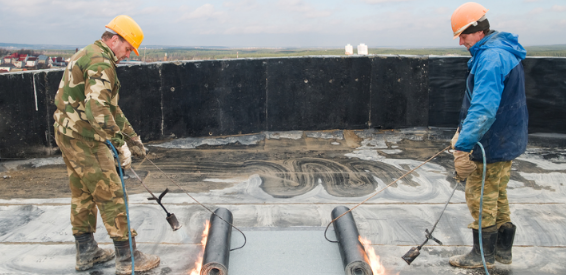
Roof edges, skylights and open hatches are the main fall hazards on a commercial building; safe setup comes before the first roll of material goes up. Torches, kettles and heat-welding tools call for careful fire prevention on the roof; a question about the fire plan is reasonable for any heat-applied system.
Early starts, shade breaks and hydration plans are part of working through the hot months; good crews watch the forecast as closely as the schedule. Material handling on the roof is another place where planning pays off; plans for loading keep the building safe as well as the crew.
Questions About the Roof System Itself
Beneath the visible surface, insulation and fastening carry much of the roof’s performance; the layers underneath are where shortcuts hide. Water that cannot leave the roof will eventually find a way in; ponding is usually a design issue, not a surprise.
Seam construction varies by system, and each approach has different strengths; a clear explanation of seam work shows real familiarity with a system. A crew that cares about perimeters is thinking about storm season; fastener spacing at the perimeter is often tighter than in the field.
Keeping Owners Informed From Start to Finish
A named point of contact makes a big difference on any multi-day roofing project; tenants and managers both appreciate knowing what to expect. Pictures of deck conditions, insulation and flashing details are worth requesting; photos become part of the building file.
Changes to the plan should be put in writing before the extra work happens; informal agreements are the main source of disputes. Weather delays are normal, and a good crew explains them instead of going quiet; schedules shift, and honest updates make that easier to accept.
The Final Walk and What Comes After
The close-out of a roof project should include a walk with the owner or manager; a quick final look can save a return trip. The lot, landscaping and walkways should look as they did before work began; everything that came onto the property should leave with the crew.
Project documents belong with the building records, not in a single person’s inbox; a tidy folder is the simplest tool for roof management. Walking the roof after the first big storm confirms that drains and seams are doing their jobs; a crew that welcomes follow-up is confident in its work.
A Simple Routine for Roof Care
A scheduled inspection routine is the best defense against surprise leaks; a short checklist and a few photographs are enough to start. Rooftop debris, from leaves to trash, blocks drainage and holds moisture against the membrane; tree limbs overhanging the roof are worth trimming back.
Anyone who services rooftop units should be asked to report any damage they notice; small habits make a real difference to a roof over time. A prompt visit to a leaking roof can prevent damage to insulation, decking and the interior; keeping a log of leaks helps pinpoint patterns.
Next Step: A Walk Across the Roof
Anyone responsible for a commercial building in Mesquite Texas can start with a call to Commercial Roofers Dallas; the conversation starts with the roof and what the roof needs. Reach us at 469-677-8677 and we will set up a time that works around the business; our team is glad to answer questions before anything is decided.