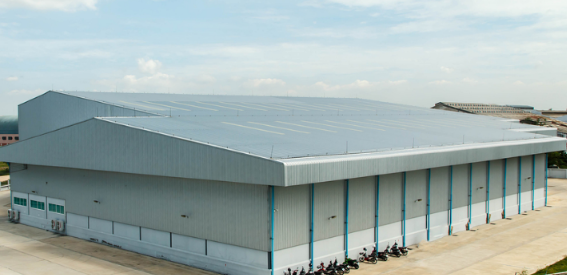
A Look Under the Surface of Roofing in Dallas Texas?
Commercial Roofers Dallas installs and repairs the major commercial roof systems; material choice starts with how the roof will actually be used.
Reach us at 469-677-8677; ask about the systems that suit your property.
Every commercial roof is a stack of layers, and the visible surface is only the last one; good design treats the roof as one assembly. A request for Roofing near Dallas Texas leads to a short list: single-ply, bitumen, built-up, metal or coating; the right choice follows from the building and not the brochure.
TPO, PVC and EPDM at a Glance
The sheet goes over board or insulation, and seams are joined to form one continuous surface; TPO and PVC seams are welded with hot air to fuse the sheets. White reflective membranes help keep rooftops cooler through long, hot summers; hail resistance varies with membrane thickness and what lies beneath.
Membrane repairs depend on matching the patch to the sheet and sealing every edge; small repairs are practical on most membrane types. Where a membrane shows early aging, the cause is almost always standing water or heavy use; a well-drained roof ages more slowly than a roof with ponds.
Modified Bitumen: Torched, Mopped and Self-Adhered
The sheets are made from asphalt with rubber-like or plastic additives, giving flexibility in heat and cold; installation method changes how a roof is built and how a crew works. Application method is a safety and scheduling decision as much as a material one; each application method has its place.
Modified bitumen is valued for toughness underfoot, which suits roofs with regular service traffic; white coatings can be applied to reflect heat. Blisters, splits and granule loss are the signs of aging that show up on a bitumen roof; coatings are one option when the underlying sheet is sound.
Tar and Gravel Roofs Today
Tar and gravel roofs are built up from felts and bitumen, then topped with a layer of stone; many older commercial buildings still wear built-up roofs. Gravel makes the roof harder to read, and that makes careful inspection more important; flashing at walls and edges is a common source of trouble.
The decision to tear off or recover depends on moisture, weight and the condition of the deck; a moisture survey of the roof is the usual first step. Gravel has to be removed carefully so that stones do not end up in drains, lots or landscaping; blocked drains are a risk during any tear-off.
Metal Roof Systems in Plain Terms
Standing seam panels hide their fasteners beneath raised seams, while exposed-fastener panels show screws on the surface; concealed-clip systems let panels expand and contract with the heat. A reflective metal finish can ease cooling demands during long hot spells; fastener care at laps and edges matters most.
Retrofit framing can create slope and ventilation where the old roof had none; added framing must be anchored to the structure and not just the old deck. A leaking metal roof often needs new sealant, new screws or a replaced panel at the trouble point; correct diagnosis comes before any sealant is applied.
Insulation and Cover Boards Beneath the Surface
Insulation determines how much heat the building gains in summer and loses in winter; a cover board adds protection against hail and foot traffic. Wet insulation is one of the main reasons a roof needs replacement and not repair; a proper survey keeps repair decisions grounded in facts.
Cover boards protect softer insulation from hail, foot traffic and fastener stress; dense boards add a small amount of weight and thickness. Tighter fastening at corners and perimeters is standard where wind forces are highest; adhered systems rely on clean, dry surfaces.
Coatings for Roofs: A Closer Look
Roof color and reflectivity influence how hard the air conditioning has to work; rooftop surface temperatures can be far above air temperature. If the roof beneath is dry and in decent shape, a coating may extend its service; surface preparation is the largest part of the job.
Standing water can degrade some coatings, so drainage must be addressed first; a design fix is better than a product fix. Putting solar panels over a worn roof means removing them later to replace the surface; coordinating the roof and the array saves effort.
Sloped Roof Materials at a Glance
Buildings with visible roof slopes typically use shingle, tile, wood or standing seam metal; the structure and the look of the building guide the choice. Impact from hailstones can bruise shingles, crack tile and dent metal; impact-rated shingles are one option in hail-prone areas.
Which System for Which Building?
Choosing a roof means weighing slope, access, traffic, equipment and exposure to weather; a warehouse and a restaurant may need very different roofs. A good proposal explains why one system suits the building better than another; the best option on paper is the one that fits the building.
Details That Decide Whether a System Performs
Manufacturers publish standard details for edges, curbs and penetrations, and good crews follow them; flashing details are a better test of a crew than the open surface. Metal edge trim keeps wind from lifting the membrane at the perimeter; a visual check of each detail twice a season is a reasonable habit.
Getting Water Off the Roof
Good drainage design is the quiet partner of every roofing material; a crew can add crickets to steer water around curbs. Intense summer rain arrives fast, and drains must be ready for it; a walk after a downpour shows where water lingers.
Caring for Each System Once It Is Down
Built-up roofs with gravel benefit from a check for bare spots where stone has washed away; photographs make comparison from one visit to the next easy. A plain maintenance plan fits on one page and can be shared with every trade that visits the roof; roofs that are checked regularly rarely surprise their owners.
What Local Rules Mean for the Choice of Roof System
Roof assemblies are tested and classified for fire resistance, and local codes say which classes are acceptable; a design professional or the local building department can confirm what applies. Fastening patterns and edge details are chosen to resist the wind that the building can face; manufacturers publish attachment patterns for each system.
Talk Through the Systems With Our Crew
Commercial Roofers Dallas serves commercial properties in Dallas Texas and the nearby towns; options are laid out in plain terms before anything is decided. Call 469-677-8677 to describe the building and set a time to look at the roof; the visit is simple and gives the building a fair hearing.