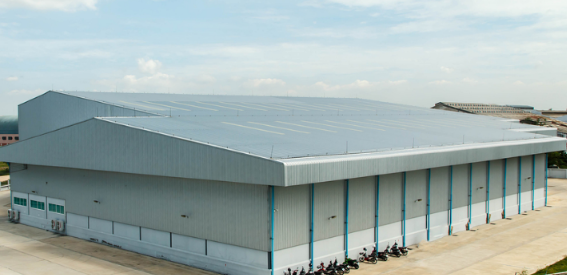
Choosing Materials for Tar & Gravel Roofing Repair in Irving Texas?
Commercial Roofers Dallas puts down new roofs of several types on business buildings; the material is matched to the building before any order is placed.
Dial 469-677-8677; share the address and a few details about the current surface.
Underneath any membrane or metal panel sits a deck, an insulating layer and an attachment method; knowing the layers helps in comparing any two proposals. People who ask about Tar & Gravel Roofing Repair around Irving Texas usually meet the same handful of system types; the sections below describe each family in plain language.
Single-Ply Membranes: TPO, PVC and EPDM
A single-ply roof is a factory-made sheet laid over insulation, then fastened, glued or ballasted in place; light-colored membranes reflect sunlight and keep the roof surface cooler. TPO and PVC are white, heat-welded sheets that reflect much of the summer sun; installation conditions such as dust, moisture and wind affect welds.
Membrane repairs depend on matching the patch to the sheet and sealing every edge; finding the real source of a leak is usually the hardest step. Sheets wear fastest where water sits, where people walk and where equipment is serviced; service access routes deserve walk pads.
Asphalt-Based Sheets With a Polymer Boost
The sheets are made from asphalt with rubber-like or plastic additives, giving flexibility in heat and cold; a granule surface protects the asphalt from the sun. The choice between torch, adhesive and self-adhered application depends on the building and its use; each application method has its place.
The thick, layered surface stands up well to foot traffic and rooftop maintenance; regular inspection catches blisters and open laps early. Cracks along seams or at flashing are common findings on older modified bitumen roofs; a close look from a crew will sort what is cosmetic from what is serious.
Built-Up Roofing and Its Gravel Surface
Built-up roofing is the long-standing multi-ply system, assembled in place layer by layer; the stone surface also adds weight and fire resistance. Because stone covers the membrane, inspections often involve sweeping gravel aside to see what lies beneath; infrared or moisture surveys are often used on large roofs.
Replacing a built-up roof can mean removing all the layers or overlaying a new system; local codes can limit the number of layers on a deck. Cleanup after gravel removal protects drains and keeps stone out of parking areas; the plan for gravel should be set before the first day.
Metal Roof Systems in Plain Terms
Metal panels span from eave to ridge and lock together along the edges; concealed-clip systems let panels expand and contract with the heat. Metal roofs handle heavy rain well, and the right finish helps keep the building cooler; hail can dent panels, though many dents are cosmetic.
Re-covering with metal avoids some demolition and keeps the building in use; each retrofit is designed around the individual building. Leaks on metal roofs typically start at seams, screws or flashing instead of the panel itself; a panel that has been walked on may need replacement.
Insulation and Cover Boards Beneath the Surface
The thermal layer under the membrane affects comfort inside and energy use for the whole building; tapered insulation can create slope toward drains. Hidden moisture often explains why a leak keeps returning after repairs; large wet areas point toward a full tear-off.
Hail-prone areas benefit from a high-density cover board under the membrane; not every system includes a cover board, so it is worth asking. Attachment is a matter of engineering, with different zones receiving different treatment; thoughtful attachment is part of a roof that lasts through storm season.
Restoring a Roof: Where the Limits Lie
Light-colored roofing materials reflect more of the sun and help the building stay cooler; dirt and age lower reflectivity, so cleaning helps. Restoring a roof with a coating can postpone replacement when conditions allow; a moisture survey comes before any coating decision.
Standing water can degrade some coatings, so drainage must be addressed first; crickets and drains are the common cures for ponding. Planning for photovoltaic panels means considering the roof first, then the array; a conversation with the roofing crew is a smart first step.
Pitched Roofs: Shingle, Tile and Wood
Buildings with visible roof slopes typically use shingle, tile, wood or standing seam metal; asphalt shingles are the most common choice for pitched roofs. Hail season is a fact of life for pitched roofs here, and materials vary in how they respond; a close look at the slopes after every severe storm is worth the effort.
Putting the Choices Together
The building decides which systems are possible, and the owner decides among them; a warehouse and a restaurant may need very different roofs. Looking at several systems side by side brings differences into focus; details such as flashing and edge metal belong in the comparison.
Flashing and Details Across Every System
Flashing is where a roofing system is most likely to leak, so it gets the closest attention; corners, seams and terminations deserve extra patience. Pipe boots and pitch pans around penetrations dry out and crack with age; careful detail work is slow, and that is how it should be.
Why Drainage Shapes the Choice of System
Slope toward the drains is created by the deck or by tapered insulation; strainers keep debris out of the drain lines. Storms that dump rain in short bursts are the real exam for a roof drain; a drain that works on a dry day may still be undersized.
Routine Care That Fits the System
Built-up roofs with gravel benefit from a check for bare spots where stone has washed away; each system has its own signs of trouble. Owners who inspect after hail and wind catch damage early and keep repairs small; a crew that offers inspection visits is thinking about the long run.
Fire Resistance, Wind Uplift and Local Requirements
The code requirements for a commercial roof cover fire, wind, drainage and energy use; permits are usually needed for a full roof replacement. Strong gusts test a roof assembly at its perimeter, so perimeter zones get extra fasteners or adhesive; manufacturers publish attachment patterns for each system.
Next Step: A Conversation About the Roof
For commercial roofing work in Irving Texas, Commercial Roofers Dallas is ready to take the first call; options are laid out in plain terms before anything is decided. Contact 469-677-8677 with the address and a few details about the current roof; our crew listens first, then looks, then lays out the choices.