Sorting Out Commercial Roofers in Carrollton Texas?
Commercial Roofers Dallas puts a crew on commercial roofs from warehouses to strip centers; the scope is set on the roof, in daylight, with photographs.
Call 469-677-8677; share what prompted the call and how soon the roof needs attention.
Owners comparing roofing crews learn the most from how specifically each proposal is written; details on paper become details on the roof. A search for Commercial Roofers in Carrollton Texas tends to start after something goes wrong overhead; gather facts about the building before asking anyone for a number.
What Belongs in Writing Before Work Starts
A thorough proposal lists every layer from the deck up, along with how each is fastened or joined; a lump-sum line tells an owner almost nothing. Edge metal, curbs and penetrations should each be named instead of lumped into a general line; the open field of a membrane is rarely where water first gets in.
Ask how the crew handles wet insulation found during tear-off; a clear process for unknowns separates careful crews from hurried ones. Written cleanup terms keep gravel, nails and old membrane off the lot; stray fasteners can flatten tires long after the work is finished.
What Happens During a Roof Walk
A proper roof visit includes walking the surface, checking drains and looking at every seam that can be reached; a roof walk done carefully is the best predictor of a useful bid. A manager who has seen the leaks firsthand can save a lot of guessing during the visit; old patches show where trouble keeps coming back.
Standing water on a flat roof several days after rain is a finding that belongs in the notes; pooled water is a cue to look at the deck, the drains and the layout. Equipment curbs, pipe supports and conduit runs are checked for loose flashing and worn sealant; service traffic around equipment wears roofs faster than weather alone.
Keeping the Building Open During the Work
Most business owners cannot close the doors for a roofing project; communication with tenants keeps small annoyances from growing. Phasing the job in sections limits how much of the building is exposed to weather at once; dry-in at the end of each day is the standard to look for.
Loading material onto a roof takes space, and that space has to be set aside in advance; fire lanes and loading docks need to stay clear. Occupants are told which areas are under work and which are safe to use; advance notice lets tenants protect equipment and stock.
Putting Proposals Side by Side
A fair comparison begins with the same square footage, the same layers and the same detail work; the lowest-looking bid is often the one with the most left out. Ask each contractor the same questions about drainage, flashing and fastening and compare what comes back; specific replies beat general reassurance.
Proposals that explain how extra work is documented and approved tend to avoid arguments; owners should know in advance how extra items are handled. Timeline details, crew size and start conditions are part of the comparison too; material lead times can quietly stretch any timeline.
Fall Protection and Site Rules
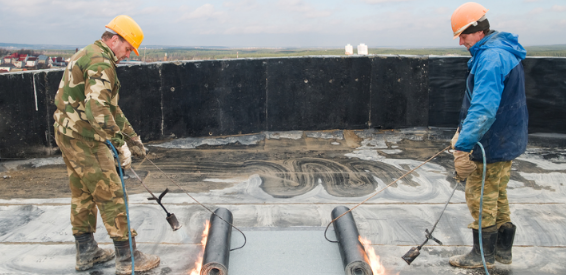
Anyone working near a roof perimeter or an unprotected skylight needs a plan to stay secure; the plan should be clear before the day begins. Heat-applied membranes need extra attention to fire safety during and after installation; a question about the fire plan is reasonable for any heat-applied system.
Gusty afternoons and slick membranes after a storm call for adjusted plans; pacing the work to the weather protects both people and the roof. Material handling on the roof is another place where planning pays off; weight limits are real even on roofs that look solid.
The Parts of a Roof You Do Not See
Beneath the visible surface, insulation and fastening carry much of the roof’s performance; careful crews are glad to explain what goes where. Water that cannot leave the roof will eventually find a way in; checking overflow routes is part of a careful design.
The method used to join sheets together is one of the most important details in any membrane roof; a clear explanation of seam work shows real familiarity with a system. Roof edges take the heaviest wind forces, so edge metal and fastening need special care; fastener spacing at the perimeter is often tighter than in the field.
Staying in the Loop During the Project
Every job runs better when the owner knows exactly who to call with questions; quick answers keep small concerns from growing. Photographs at key moments show what happened below the visible surface; visual records remove doubt about what was done.
If the scope changes, the new scope is agreed on paper before anyone picks up a tool; the habit of writing changes down is a good sign. Delays from storms are a fact of life in spring, and the best crews keep owners posted; honest, frequent contact is the heart of a smooth project.
Wrapping Up a Commercial Roof Project
A last inspection catches loose ends while the crew is still on site; the last hour of a project often decides how it is remembered. Site cleanup should include a magnet sweep of the lot to pick up stray fasteners; everything that came onto the property should leave with the crew.
Keep the paperwork from the project in one place, including the scope, photos and any change records; future managers will thank whoever kept the file in order. Early follow-up inspections are a smart habit for any new roof; a short visit after a storm is a normal part of good service.
Seasonal Checks Worth Doing
Checking the roof after hail season and again before winter keeps problems from piling up; regular attention extends the useful life of nearly every system. Keep drains, scuppers and gutters clear of leaves and debris throughout the season; pooling after a storm is a cue to check the drains first.
Limit foot traffic on the roof to those who need to be there, and use walk pads around equipment; a sign at the roof hatch is a simple reminder. A prompt visit to a leaking roof can prevent damage to insulation, decking and the interior; wet insulation is the real damage that waiting causes.
Start With the Roof Itself
For commercial roof work in Carrollton Texas, Commercial Roofers Dallas is ready to take the first call; questions are welcome at every stage of the process. Contact 469-677-8677 with the address and a few details about what you are seeing; a clear plan begins with a clear conversation.