What Goes Into a Commercial Roofing System: Roofing in Richardson Texas?
Commercial Roofers Dallas installs and repairs the major commercial roof systems; a short conversation about the building comes before a conversation about product.
Dial 469-677-8677; share the address and a few details about the current surface.
Commercial roof systems are assemblies, not single products, and each layer has a distinct role; good design treats the roof as one assembly. Searching for Roofing in Richardson Texas is easier with a rough idea of the main system families; each family suits certain buildings better than others.
How Single-Ply Roofing Works
A single-ply roof is a factory-made sheet laid over insulation, then fastened, glued or ballasted in place; sheets can be attached with fasteners, adhesive or loose ballast. Reflective single-ply surfaces are popular on large buildings with big cooling loads; a crew that probes its seams is checking the part that matters most.
Repairs on a membrane roof start with finding the break, cleaning the surface and applying a compatible patch; dirt and moisture are the enemies of a good bond. Ponding water, foot traffic and rooftop equipment are the usual causes of early wear on single-ply roofs; walk pads and drain work address the usual causes of wear.
Modified Bitumen: Torched, Mopped and Self-Adhered
Rolled bitumen sheets are laid in overlapping courses to build a thick, multi-layer surface; overlaps are sealed so that water cannot find a path. Hot work is common with modified bitumen, but not every project calls for it; each application method has its place.
Buildings with frequent roof access, from technicians to inspectors, are well matched to bitumen roofs; white coatings can be applied to reflect heat. Alligator-pattern cracking and exposed fabric mean the surface needs attention; repairs use compatible patches and sealants.
Built-Up and Tar and Gravel Roofs
Tar and gravel roofs are built up from felts and bitumen, then topped with a layer of stone; gravel protects the asphalt from sun and foot traffic. Gravel hides the surface, so finding the source of a leak takes some patience; flashing at walls and edges is a common source of trouble.
Replacing a built-up roof can mean removing all the layers or overlaying a new system; any replacement path should be explained in writing before work begins. Cleanup after gravel removal protects drains and keeps stone out of parking areas; chutes and enclosed dumpsters contain debris well.
The Metal Option for Commercial Roofs
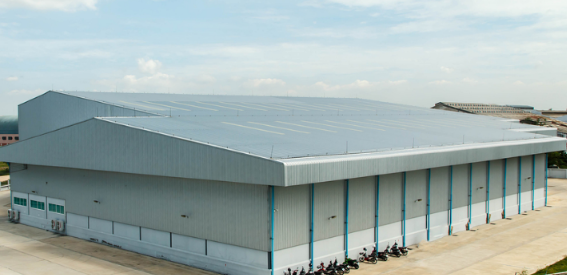
Metal panels span from eave to ridge and lock together along the edges; careful layout at edges and penetrations keeps the roof watertight. Metal roofs handle heavy rain well, and the right finish helps keep the building cooler; thermal movement is a design point in hot climates.
Re-covering with metal avoids some demolition and keeps the building in use; code and load limits decide whether a retrofit is practical. Fixing a metal roof means tracing water to the exact point where a seal has failed; correct diagnosis comes before any sealant is applied.
Thermal Layers and Their Role
Rigid insulation boards sit between the deck and the membrane on most commercial roofs; a cover board adds protection against hail and foot traffic. Hidden moisture often explains why a leak keeps returning after repairs; large wet areas point toward a full tear-off.
Adding a board layer reduces the chance of hail bruising the membrane; a flat, firm base improves seam quality and adhesion. Fasteners, plates and adhesives hold the layers to the deck and resist wind uplift; pull-out tests can verify that fasteners hold in an existing deck.
Cool Roof Surfaces and Coatings
Light-colored roofing materials reflect more of the sun and help the building stay cooler; rooftop surface temperatures can be far above air temperature. If the roof beneath is dry and in decent shape, a coating may extend its service; coatings are not repairs for structural or drainage problems.
A coating is not a cure for ponding water, and drainage problems need their own solution; a design fix is better than a product fix. Photovoltaic system roofs work best when the roof beneath is in good order before installation; ballasted and attached systems both have a place.
Shingle, Tile and Wood on Smaller Commercial Roofs
Not every business roof is flat, and offices, clinics and restaurants often have pitched roofs; each material has its own method for flashing and ventilation. Impact from hailstones can bruise shingles, crack tile and dent metal; cracked or bruised shingles lose granules and age faster.
Putting the Choices Together
A system should be chosen for the building as it is, not as the brochure assumes; drainage and equipment layout shape the options. Ask for two or three options on paper, each with its layers, attachment and details described; clear comparisons help owners decide with confidence.
Walls, Curbs, Pipes and Edges
Manufacturers publish standard details for edges, curbs and penetrations, and good crews follow them; flashing details are a better test of a crew than the open surface. Pipe boots and pitch pans around penetrations dry out and crack with age; careful detail work is slow, and that is how it should be.
Roof Drainage Basics
No roofing system works well if water cannot leave the roof; a crew can add crickets to steer water around curbs. Heavy spring downpours test drainage more than any other weather; overflow paths prevent water from rising above the flashing.
Maintenance by Material
Bitumen roofs call for attention to blisters, laps and granule loss; written notes from each inspection build a useful history. Routine upkeep is inexpensive compared with the damage that neglect allows; the building and the roof both benefit from steady care.
Meeting Code With the Right Assembly
The code requirements for a commercial roof cover fire, wind, drainage and energy use; requirements change over time, so an older roof may not match current rules. Strong gusts test a roof assembly at its perimeter, so perimeter zones get extra fasteners or adhesive; storm season makes wind resistance a practical matter.
Next Step: A Conversation About the Roof
To discuss roof materials anywhere around Richardson Texas, get in touch with Commercial Roofers Dallas; the first conversation is about the building and its needs. Phone 469-677-8677 and tell us about the roof so we can plan a visit; our crew listens first, then looks, then lays out the choices.