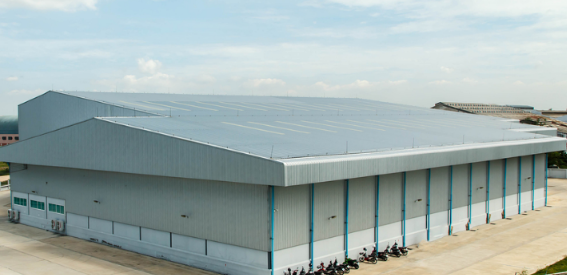
Materials and Methods Behind Commercial Roofing in Carrollton Texas?
Commercial Roofers Dallas handles flat and sloped commercial roofs in a range of materials; each building gets a system chosen for its shape, its use and its exposure.
Phone 469-677-8677; ask about the systems that suit your property.
Commercial roof systems are assemblies, not single products, and each layer has a distinct role; deck, insulation, board and surface are chosen together or not at all. People who ask about Commercial Roofing around Carrollton Texas usually meet the same handful of system types; a plain description of each makes comparing proposals far easier.
Single-Ply Systems for Low-Slope Buildings
A single-ply roof is a factory-made sheet laid over insulation, then fastened, glued or ballasted in place; sheets can be attached with fasteners, adhesive or loose ballast. White reflective membranes help keep rooftops cooler through long, hot summers; installation conditions such as dust, moisture and wind affect welds.
Damage to a membrane is repaired by preparing the surface and adhering new material over the opening; finding the real source of a leak is usually the hardest step. Sheets wear fastest where water sits, where people walk and where equipment is serviced; good detailing around equipment pays off for as long as the roof lasts.
Modified Bitumen Roofing Explained
The sheets are made from asphalt with rubber-like or plastic additives, giving flexibility in heat and cold; a granule surface protects the asphalt from the sun. Cold-applied and self-adhered options avoid open flame, which suits occupied or sensitive buildings; the surrounding building decides which method is wise.
Modified bitumen is valued for toughness underfoot, which suits roofs with regular service traffic; seam and flashing details are the usual weak points. Aging bitumen roofs show their condition in the surface, the laps and the flashing; a small repair now beats a large repair after the next storm.
Built-Up and Tar and Gravel Roofs
Tar and gravel roofs are built up from felts and bitumen, then topped with a layer of stone; the stone surface also adds weight and fire resistance. Because stone covers the membrane, inspections often involve sweeping gravel aside to see what lies beneath; infrared or moisture surveys are often used on large roofs.
Moving from a built-up roof to a single-ply or bitumen system is a common upgrade; a moisture survey of the roof is the usual first step. Cleanup after gravel removal protects drains and keeps stone out of parking areas; protecting cars and walkways is a basic courtesy.
Metal Roofing on Commercial Buildings
Metal panels span from eave to ridge and lock together along the edges; concealed-clip systems let panels expand and contract with the heat. Metal is a lightweight option, which suits buildings where deck capacity is limited; hail can dent panels, though many dents are cosmetic.
In certain situations, new metal panels can be framed over an existing roof surface; a survey of the old roof is needed before the plan is set. A leaking metal roof often needs new sealant, new screws or a replaced panel at the trouble point; a panel that has been walked on may need replacement.
Thermal Layers and Their Role
Insulation determines how much heat the building gains in summer and loses in winter; insulation that gets wet loses much of its value. Soaked boards cannot be dried in place, so they must be cut out and replaced; infrared scans, core samples and moisture meters help to find wet areas.
Cover boards protect softer insulation from hail, foot traffic and fastener stress; a flat, firm base improves seam quality and adhesion. Tighter fastening at corners and perimeters is standard where wind forces are highest; thoughtful attachment is part of a roof that lasts through storm season.
Coatings for Roofs: A Closer Look
Reflective roof surfaces send sunlight back instead of absorbing it as heat; dirt and age lower reflectivity, so cleaning helps. If the roof beneath is dry and in decent shape, a coating may extend its service; a trial section can show how well a coating bonds.
Low spots call for slope correction, added drains or a different system; crickets and drains are the common cures for ponding. Solar panels and reflective roofs can coexist, and the roof should be in good shape before panels go on; coordinating the roof and the array saves effort.
Asphalt, Tile and Wood Roofs on Commercial Property
Pitched commercial roofs are covered with asphalt shingles, clay or concrete tile, wood or metal; asphalt shingles are the most common choice for pitched roofs. Wind and hail are the weather events that most often decide when a pitched roof is replaced; impact-rated shingles are one option in hail-prone areas.
Matching a System to a Building
The right roof begins with the building: its slope, its structure, its use and its surroundings; drainage and equipment layout shape the options. A good proposal explains why one system suits the building better than another; details such as flashing and edge metal belong in the comparison.
Details That Decide Whether a System Performs
Flashing is where a roofing system is most likely to leak, so it gets the closest attention; flashing details are a better test of a crew than the open surface. Counterflashing, edge metal and pipe boots each have a job, and each one can be inspected; a visual check of each detail twice a season is a reasonable habit.
Slope, Scuppers and Drains
Good drainage design is the quiet partner of every roofing material; overflow scuppers are a backup when a main drain clogs. Intense summer rain arrives fast, and drains must be ready for it; a drain that works on a dry day may still be undersized.
Simple Upkeep for Membranes, Bitumen and Metal Roofs
Bitumen roofs call for attention to blisters, laps and granule loss; photographs make comparison from one visit to the next easy. Routine upkeep is inexpensive compared with the damage that neglect allows; roofs that are checked regularly rarely surprise their owners.
Fire Resistance, Wind Uplift and Local Requirements
Building codes set minimum standards for fire performance, wind resistance and insulation; a good crew builds to the code in force on the day of the work. A roof that resists wind well has careful attachment at the edges, corners and flashing; details at edges are among the most important parts of the design.
Start With the Building
Commercial Roofers Dallas serves commercial properties in Carrollton Texas and the nearby towns; bring photos, plans or just a description of the roof. Reach us at 469-677-8677 and we will set up a time that works around the business; we would rather answer a question early than fix a surprise late.