Sorting Out Roofers in Garland Texas?
Commercial Roofers Dallas works on the roofs of shops, offices and industrial buildings nearby; work starts on the surface and not at a desk.
Contact us on 469-677-8677; let us know the type of roof and how the building is used.
A sound commercial roof proposal reads like a plan and not like a sales brochure; a short, specific document beats a long, general one. Owners looking for Roofers in Garland Texas typically want a roof that stops being a worry; writing down what has already been tried saves time on the first visit.
What Belongs in Writing Before Work Starts
A complete bid names the roof system, the thickness of each layer and the way each layer is attached; a lump-sum line tells an owner almost nothing. The scope should say how rooftop units, vents and drains will be flashed and sealed; most leaks on commercial roofs start at details, not in open field areas.
It helps to know the plan for the moment the old roof reveals problems underneath; a plan for the unexpected keeps small findings from becoming large arguments. Debris handling and site protection are part of the work and belong in the proposal; good housekeeping starts with an agreed plan.
The First Visit, Step by Step
A proper roof visit includes walking the surface, checking drains and looking at every seam that can be reached; a roof walk done carefully is the best predictor of a useful bid. The person who handles building complaints often knows the roof’s trouble spots better than anyone; local knowledge shortens the diagnosis considerably.
Ponding water after a storm is one of the first things worth noticing on a low-slope roof; drainage problems shorten the working life of almost any membrane. The crew checks how equipment is flashed and whether supports sit on pads or directly on the membrane; service traffic around equipment wears roofs faster than weather alone.
Keeping the Building Open During the Work
Most business owners cannot close the doors for a roofing project; noise, dust and deliveries all need to be planned for. Phasing the job in sections limits how much of the building is exposed to weather at once; weather in the forecast shapes the order in which areas are tackled.
The crew and the property manager decide together where equipment can park and where it cannot; fire lanes and loading docks need to stay clear. Occupants are told which areas are under work and which are safe to use; advance notice lets tenants protect equipment and stock.
Putting Proposals Side by Side
Before looking at any totals, check that the proposals describe the same roof system and the same details; a gap between bids usually points to a gap in scope. Questions about process often reveal more than questions about materials; crews who explain their reasoning tend to build with care.
Look for a plan for change orders, not a promise that nothing will change; a good process matters more than a bold promise. Dates alone matter less than the thinking behind them; communication about delays is part of good service.
Safety Practices Worth Asking About
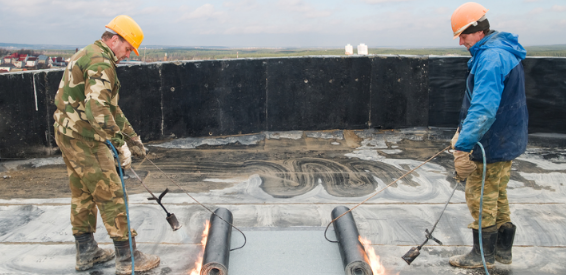
Edge protection and covered openings are the baseline for work on any commercial roof; the plan should be clear before the day begins. Torches, kettles and heat-welding tools call for careful fire prevention on the roof; not every roofing system is the right choice for every building.
Weather affects safety as well, and summer heat on a dark roof can be punishing for the crew; early mornings often make for the best working conditions. Material handling on the roof is another place where planning pays off; plans for loading keep the building safe as well as the crew.
The Parts of a Roof You Do Not See
Beneath the visible surface, insulation and fastening carry much of the roof’s performance; the layers underneath are where shortcuts hide. Water that cannot leave the roof will eventually find a way in; ponding is usually a design issue, not a surprise.
The method used to join sheets together is one of the most important details in any membrane roof; seams are where membrane roofs most often show their age. Edge metal and terminations are the second place to ask questions, since wind loads concentrate there; edge details are among the first things to fail in a bad storm.
Who to Call and When
Having one person responsible for communication keeps messages from getting lost; quick answers keep small concerns from growing. Photos taken at each stage give the owner a record of what lies under the finished surface; documentation takes the crew little time and gives the owner a lot.
Changes to the plan should be put in writing before the extra work happens; the habit of writing changes down is a good sign. When weather stops work, the owner should hear what is being done to protect the roof; schedules shift, and honest updates make that easier to accept.
Close-Out Steps That Matter
A last inspection catches loose ends while the crew is still on site; punch-list items are easier to fix before equipment leaves the property. A clean property is the visible sign of a project handled with care; small nails cause large annoyances when they find a tire.
Keep the paperwork from the project in one place, including the scope, photos and any change records; the file should include the contacts for the crew who did the work. Early follow-up inspections are a smart habit for any new roof; small issues are easy to correct when they are found quickly.
Seasonal Checks Worth Doing
A scheduled inspection routine is the best defense against surprise leaks; small repairs are always easier than big ones. Remove debris from valleys, drains and curbs before the next rain; cleaning takes minutes and prevents damage that takes weeks to fix.
Workers who visit the roof for other reasons can cause damage without realizing it; reporting damage promptly avoids bigger problems later. A prompt visit to a leaking roof can prevent damage to insulation, decking and the interior; wet insulation is the real damage that waiting causes.
Talk It Over With a Crew That Walks the Roof First
Anyone responsible for a commercial building in Garland Texas can start with a call to Commercial Roofers Dallas; the first visit is about listening and looking. Reach us at 469-677-8677 and we will set up a time that works around the business; a clear plan begins with a clear conversation.