A Look Under the Surface of Metal Roofing Services in Carrollton Texas?
Commercial Roofers Dallas puts down new roofs of several types on business buildings; the material is matched to the building before any order is placed.
Contact us on 469-677-8677; describe the roof you have and the one you want.
Underneath any membrane or metal panel sits a deck, an insulating layer and an attachment method; a change in one layer can affect all the others. Anyone comparing Metal Roofing Services in Carrollton Texas will hear about membranes, bitumen sheets, metal panels and built-up layers; the sections below describe each family in plain language.
TPO, PVC and EPDM at a Glance
Single-ply systems are the most common choice for low-slope commercial buildings; TPO and PVC seams are welded with hot air to fuse the sheets. White reflective membranes help keep rooftops cooler through long, hot summers; hail resistance varies with membrane thickness and what lies beneath.
Repairs on a membrane roof start with finding the break, cleaning the surface and applying a compatible patch; a repair on the wrong material will not last. Sheets wear fastest where water sits, where people walk and where equipment is serviced; service access routes deserve walk pads.
Modified Bitumen Roofing Explained
The sheets are made from asphalt with rubber-like or plastic additives, giving flexibility in heat and cold; overlaps are sealed so that water cannot find a path. The choice between torch, adhesive and self-adhered application depends on the building and its use; fire safety plans are standard for any heat-applied system.
The thick, layered surface stands up well to foot traffic and rooftop maintenance; granule-coated caps resist sun and hail bruising. Look for blisters, open laps and bare patches where granules have worn away; repairs use compatible patches and sealants.
Built-Up and Tar and Gravel Roofs
A built-up roof alternates layers of reinforcing felt with layers of hot asphalt or cold adhesive; many older commercial buildings still wear built-up roofs. Leaks on a gravel-surfaced roof can travel a long way before they show up inside; the right fix targets the actual opening and not the visible stain.
Many owners choose a modern membrane to replace a tired gravel roof; a moisture survey of the roof is the usual first step. Cleanup after gravel removal protects drains and keeps stone out of parking areas; the plan for gravel should be set before the first day.
Metal Roof Systems in Plain Terms
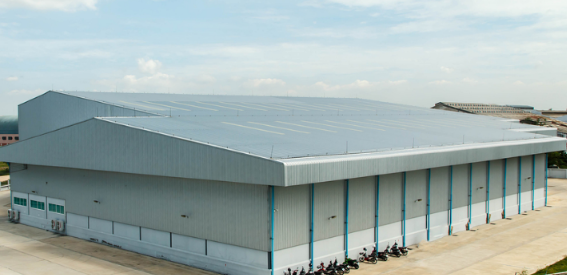
Standing seam panels hide their fasteners beneath raised seams, while exposed-fastener panels show screws on the surface; panel profile, gauge and coating all affect performance. Metal is a lightweight option, which suits buildings where deck capacity is limited; hail can dent panels, though many dents are cosmetic.
Metal roofing can be installed over old roofs in some cases, avoiding tear-off; moisture trapped in the old layers must be addressed. Repairs to metal roofs focus on laps, fasteners, penetrations and edge trim; sealants age and need refreshing over time.
What Sits Between the Deck and the Membrane
Boards of rigid insulation are laid in staggered courses to limit gaps and thermal bridging; a cover board adds protection against hail and foot traffic. Soaked boards cannot be dried in place, so they must be cut out and replaced; large wet areas point toward a full tear-off.
Adding a board layer reduces the chance of hail bruising the membrane; extra protection is especially wise where storms are frequent. Wind forces try to lift roofs from the edges, so attachment patterns matter; pull-out tests can verify that fasteners hold in an existing deck.
Coatings, Reflective Surfaces and Reflective Roofs
A cool roof is one that reflects sunlight and releases absorbed heat quickly; rooftop surface temperatures can be far above air temperature. Restoring a roof with a coating can postpone replacement when conditions allow; coatings are not repairs for structural or drainage problems.
Coating a roof that holds water can shorten the life of the coating; a design fix is better than a product fix. A roof that will carry photovoltaic panels should be sound, since panels stay for a long time; roof work is easiest before panels are in place.
Shingle, Tile and Wood on Smaller Commercial Roofs
Some commercial buildings, such as offices, churches and small retail centers, have pitched roofs; the structure and the look of the building guide the choice. Impact from hailstones can bruise shingles, crack tile and dent metal; inspection after a storm is the way to catch hidden damage.
Slope, Use and Exposure: Picking the Right Roof
Slope, deck type, load capacity and rooftop equipment all narrow the choice of system; drainage and equipment layout shape the options. A written comparison of two or three systems makes the choice clearer; the best option on paper is the one that fits the building.
Walls, Curbs, Pipes and Edges
Flashing is where a roofing system is most likely to leak, so it gets the closest attention; corners, seams and terminations deserve extra patience. Rooftop equipment curbs are wrapped, sealed and capped to keep water out; old sealant that has cracked is an early warning.
Water Management on a Flat Roof
Good drainage design is the quiet partner of every roofing material; overflow scuppers are a backup when a main drain clogs. A sudden thunderstorm can drop more water than a clogged drain can handle; a walk after a downpour shows where water lingers.
What Each Roof Type Asks of the Owner
Single-ply roofs benefit from clean surfaces, clear drains and a check of the seams after storms; photographs make comparison from one visit to the next easy. Routine upkeep is inexpensive compared with the damage that neglect allows; roofs that are checked regularly rarely surprise their owners.
Fire, Wind and Code Questions for Any System
Codes shape the choice of roof system by setting limits on materials, layers and attachment; requirements change over time, so an older roof may not match current rules. A roof that resists wind well has careful attachment at the edges, corners and flashing; a crew follows the published pattern and documents the work.
Talk Through the Systems With Our Crew
Anyone weighing roof systems for a building in Carrollton Texas can start with a call to Commercial Roofers Dallas; questions are welcome at every stage of the process. Dial 469-677-8677 to talk through the options and arrange a site visit; our team is glad to answer questions before anything is decided.