Materials and Methods Behind Roofing in Carrollton Texas?
Commercial Roofers Dallas works with membranes, metal panels, built-up layers and coatings; a short conversation about the building comes before a conversation about product.
Contact us on 469-677-8677; describe the roof you have and the one you want.
The material on top gets the attention, but the layers below decide how the roof behaves; product names matter less than how the pieces fit. Looking into Roofing around Carrollton Texas means learning a few terms, and the terms are simpler than they sound; none is best everywhere, and most are excellent somewhere.
TPO, PVC and EPDM at a Glance
Single-ply systems are the most common choice for low-slope commercial buildings; EPDM is a rubber sheet whose seams are glued or taped. Reflective single-ply surfaces are popular on large buildings with big cooling loads; installation conditions such as dust, moisture and wind affect welds.
Membrane repairs depend on matching the patch to the sheet and sealing every edge; older membranes can be harder to weld, so the method may change. Membrane damage tends to cluster around drains, equipment curbs and access paths; service access routes deserve walk pads.
Modified Bitumen Roofing Explained
The sheets are made from asphalt with rubber-like or plastic additives, giving flexibility in heat and cold; installation method changes how a roof is built and how a crew works. The choice between torch, adhesive and self-adhered application depends on the building and its use; the surrounding building decides which method is wise.
Modified bitumen is valued for toughness underfoot, which suits roofs with regular service traffic; a surface coating can extend the life of an aging cap sheet. Look for blisters, open laps and bare patches where granules have worn away; a small repair now beats a large repair after the next storm.
The Original Multi-Ply Flat Roof
Built-up roofing is the long-standing multi-ply system, assembled in place layer by layer; a built-up roof is heavy and the deck must be able to carry it. Leaks on a gravel-surfaced roof can travel a long way before they show up inside; a patient inspection saves a lot of unnecessary tearing.
Moving from a built-up roof to a single-ply or bitumen system is a common upgrade; a moisture survey of the roof is the usual first step. Debris from a gravel roof is heavy and abundant, so containment is part of the plan; protecting cars and walkways is a basic courtesy.
Metal Roofing on Commercial Buildings
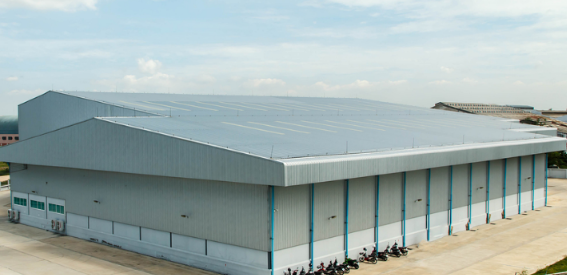
Metal roof systems come in two main types: standing seam and exposed-fastener panels; exposed screws need periodic checking, since washers and sealant age. Metal sheds rain and hail quickly, and a light finish reflects much of the summer sun; coatings and finishes vary, so details are worth asking about.
Metal roofing can be installed over old roofs in some cases, avoiding tear-off; code and load limits decide whether a retrofit is practical. Repairs to metal roofs focus on laps, fasteners, penetrations and edge trim; edge trim and closures often fail before panels do.
Insulation, Boards and Fasteners
Polyiso, EPS and other rigid boards provide the thermal layer beneath the roof surface; insulation that gets wet loses much of its value. When water gets into insulation, it spreads and stays, even after the leak is stopped; wet insulation also loses its thermal value.
Adding a board layer reduces the chance of hail bruising the membrane; materials vary, and the right one depends on the membrane. Attachment is a matter of engineering, with different zones receiving different treatment; perimeter zones need more fasteners than the center of the roof.
Coatings for Roofs: A Closer Look
White membranes and reflective coatings are widely used on commercial buildings; rooftop surface temperatures can be far above air temperature. Coatings such as acrylic, silicone and polyurethane are rolled or sprayed onto a prepared roof; a moisture survey comes before any coating decision.
Coating a roof that holds water can shorten the life of the coating; no product replaces good drainage. Putting solar panels over a worn roof means removing them later to replace the surface; roof work is easiest before panels are in place.
Sloped Roof Materials at a Glance
Some commercial buildings, such as offices, churches and small retail centers, have pitched roofs; asphalt shingles are the most common choice for pitched roofs. Hail season is a fact of life for pitched roofs here, and materials vary in how they respond; broken tile is replaced piece by piece.
Which System for Which Building?
Slope, deck type, load capacity and rooftop equipment all narrow the choice of system; good advice starts with questions about the building. Ask for two or three options on paper, each with its layers, attachment and details described; a crew that explains the choices is easy to trust.
Where the Roof Meets Everything Else
Walls, rooftop units, vents and edges each call for a flashing detail made from compatible materials; flashing details are a better test of a crew than the open surface. Pipe boots and pitch pans around penetrations dry out and crack with age; a visual check of each detail twice a season is a reasonable habit.
Roof Drainage Basics
Slope toward the drains is created by the deck or by tapered insulation; drainage should be looked at whenever a roof is replaced. Intense summer rain arrives fast, and drains must be ready for it; clearing drains before storm season is a simple habit.
Simple Upkeep for Membranes, Bitumen and Metal Roofs
Coated roofs should be cleaned and checked for peeling or thin areas; a short routine is better than none. A plain maintenance plan fits on one page and can be shared with every trade that visits the roof; a crew that offers inspection visits is thinking about the long run.
Fire Resistance, Wind Uplift and Local Requirements
The code requirements for a commercial roof cover fire, wind, drainage and energy use; permits are usually needed for a full roof replacement. Strong gusts test a roof assembly at its perimeter, so perimeter zones get extra fasteners or adhesive; details at edges are among the most important parts of the design.
Start With the Building
To discuss roof materials anywhere around Carrollton Texas, get in touch with Commercial Roofers Dallas; questions are welcome at every stage of the process. Dial 469-677-8677 to talk through the options and arrange a site visit; our team is glad to answer questions before anything is decided.