Commercial Roofing Around Texas: Which System Fits the Building?
Commercial Roofers Dallas builds and mends roofs on warehouses, offices and shops in many materials; a short conversation about the building comes before a conversation about product.
Call 469-677-8677; describe the roof you have and the one you want.
Commercial roof systems are assemblies, not single products, and each layer has a distinct role; good design treats the roof as one assembly. Anyone comparing Commercial Roofing in Texas will hear about membranes, bitumen sheets, metal panels and built-up layers; the sections below describe each family in plain language.
Single-Ply Systems for Low-Slope Buildings
Single-ply membranes arrive in large rolls and are rolled out across insulation on the roof deck; sheets can be attached with fasteners, adhesive or loose ballast. White reflective membranes help keep rooftops cooler through long, hot summers; installation conditions such as dust, moisture and wind affect welds.
Damage to a membrane is repaired by preparing the surface and adhering new material over the opening; older membranes can be harder to weld, so the method may change. Ponding water, foot traffic and rooftop equipment are the usual causes of early wear on single-ply roofs; good detailing around equipment pays off for as long as the roof lasts.
Asphalt-Based Sheets With a Polymer Boost
Rolled bitumen sheets are laid in overlapping courses to build a thick, multi-layer surface; the cap sheet takes the weather and the base sheet backs it up. Application method is a safety and scheduling decision as much as a material one; each application method has its place.
Bitumen cap sheets are durable enough for busy rooftops with heavy equipment; seam and flashing details are the usual weak points. Cracks along seams or at flashing are common findings on older modified bitumen roofs; a close look from a crew will sort what is cosmetic from what is serious.
Built-Up Roofing and Its Gravel Surface
A built-up roof alternates layers of reinforcing felt with layers of hot asphalt or cold adhesive; the stone surface also adds weight and fire resistance. Locating a leak in a built-up roof is a matter of following clues across layers; infrared or moisture surveys are often used on large roofs.
An aging built-up roof can be torn off or covered with a recover system, depending on its condition; recovering saves disruption but leaves old layers in place. Handling loose stone during tear-off calls for planning and the right equipment; the plan for gravel should be set before the first day.
Metal Roofing on Commercial Buildings
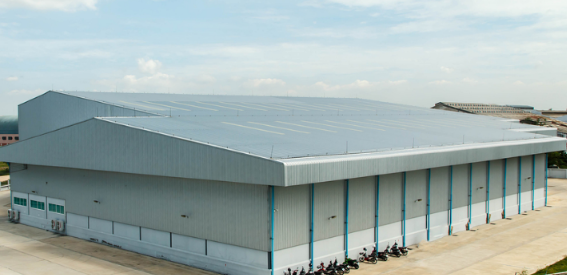
Standing seam panels hide their fasteners beneath raised seams, while exposed-fastener panels show screws on the surface; long panels are cut and formed to suit the building. The smooth surface sends water off fast and, with a reflective coating, helps manage heat; noise from rain can be addressed with insulation underneath.
Retrofit framing can create slope and ventilation where the old roof had none; code and load limits decide whether a retrofit is practical. Metal roof repairs involve sealing fasteners, replacing damaged panels and refreshing flashing; a panel that has been walked on may need replacement.
The Hidden Layers of a Flat Roof
Boards of rigid insulation are laid in staggered courses to limit gaps and thermal bridging; a cover board adds protection against hail and foot traffic. When water gets into insulation, it spreads and stays, even after the leak is stopped; large wet areas point toward a full tear-off.
A thin, dense board over the insulation adds impact resistance to the roof; materials vary, and the right one depends on the membrane. Fasteners, plates and adhesives hold the layers to the deck and resist wind uplift; fastener type must suit the deck material.
White Surfaces and Heat Management
Light-colored roofing materials reflect more of the sun and help the building stay cooler; rooftop surface temperatures can be far above air temperature. If the roof beneath is dry and in decent shape, a coating may extend its service; a trial section can show how well a coating bonds.
Low spots call for slope correction, added drains or a different system; an honest evaluation looks at the water first. A roof that will carry photovoltaic panels should be sound, since panels stay for a long time; coordinating the roof and the array saves effort.
Sloped Roof Materials at a Glance
Sloped roofs on commercial property use materials much like those found on homes; the structure and the look of the building guide the choice. Impact from hailstones can bruise shingles, crack tile and dent metal; cracked or bruised shingles lose granules and age faster.
Slope, Use and Exposure: Picking the Right Roof
The building decides which systems are possible, and the owner decides among them; a warehouse and a restaurant may need very different roofs. Honest comparisons include the drawbacks of each option as well as the strengths; the best option on paper is the one that fits the building.
Where the Roof Meets Everything Else
Whatever the material, the places where a roof meets a wall, a curb or a pipe need their own flashing details; flashing details are a better test of a crew than the open surface. Rooftop equipment curbs are wrapped, sealed and capped to keep water out; a visual check of each detail twice a season is a reasonable habit.
Water Management on a Flat Roof
No roofing system works well if water cannot leave the roof; a crew can add crickets to steer water around curbs. Roof drains do their most important work during the hardest rain; clearing drains before storm season is a simple habit.
Keeping Any Commercial Roof in Good Shape
Coated roofs should be cleaned and checked for peeling or thin areas; photographs make comparison from one visit to the next easy. A plain maintenance plan fits on one page and can be shared with every trade that visits the roof; roofs that are checked regularly rarely surprise their owners.
Meeting Code With the Right Assembly
Codes shape the choice of roof system by setting limits on materials, layers and attachment; a good crew builds to the code in force on the day of the work. A roof that resists wind well has careful attachment at the edges, corners and flashing; a crew follows the published pattern and documents the work.
Ready to Talk Materials?
Commercial Roofers Dallas serves commercial properties in Texas and the nearby towns; the first conversation is about the building and its needs. Phone 469-677-8677 and tell us about the roof so we can plan a visit; our crew listens first, then looks, then lays out the choices.