Comparing Roof Systems for Roofing Near Texas?
Commercial Roofers Dallas handles flat and sloped commercial roofs in a range of materials; material choice starts with how the roof will actually be used.
Call 469-677-8677; describe the roof you have and the one you want.
The material on top gets the attention, but the layers below decide how the roof behaves; good design treats the roof as one assembly. Searching for Roofing in Texas is easier with a rough idea of the main system families; none is best everywhere, and most are excellent somewhere.
TPO, PVC and EPDM at a Glance
The sheet goes over board or insulation, and seams are joined to form one continuous surface; light-colored membranes reflect sunlight and keep the roof surface cooler. White reflective membranes help keep rooftops cooler through long, hot summers; details at walls and curbs deserve as much care as the open field.
Membrane repairs depend on matching the patch to the sheet and sealing every edge; a repair on the wrong material will not last. Wear patterns on a single-ply roof usually trace back to water and traffic; good detailing around equipment pays off for as long as the roof lasts.
Modified Bitumen: Torched, Mopped and Self-Adhered
Modified bitumen is asphalt blended with polymers and reinforced with fabric, supplied in rolled sheets; the cap sheet takes the weather and the base sheet backs it up. The choice between torch, adhesive and self-adhered application depends on the building and its use; self-adhered sheets are convenient for smaller areas and details.
Bitumen cap sheets are durable enough for busy rooftops with heavy equipment; a surface coating can extend the life of an aging cap sheet. Cracks along seams or at flashing are common findings on older modified bitumen roofs; repairs use compatible patches and sealants.
Built-Up Roofing and Its Gravel Surface
The layered construction of a built-up roof gives it redundancy that single sheets lack; a built-up roof is heavy and the deck must be able to carry it. Locating a leak in a built-up roof is a matter of following clues across layers; the right fix targets the actual opening and not the visible stain.
Replacing a built-up roof can mean removing all the layers or overlaying a new system; tear-off allows a full look at the deck and insulation. Handling loose stone during tear-off calls for planning and the right equipment; the plan for gravel should be set before the first day.
Metal Roofing on Commercial Buildings
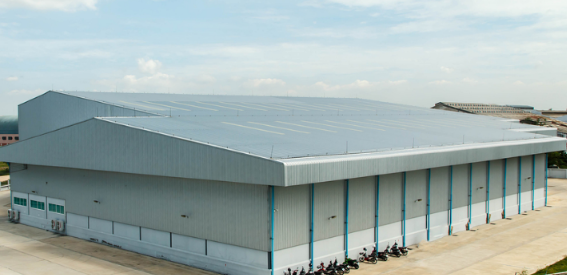
Commercial metal roofs are built from steel or aluminum panels, either with concealed clips or visible screws; careful layout at edges and penetrations keeps the roof watertight. Metal sheds rain and hail quickly, and a light finish reflects much of the summer sun; fastener care at laps and edges matters most.
Re-covering with metal avoids some demolition and keeps the building in use; a survey of the old roof is needed before the plan is set. Leaks on metal roofs typically start at seams, screws or flashing instead of the panel itself; a panel that has been walked on may need replacement.
Insulation, Boards and Fasteners
The thermal layer under the membrane affects comfort inside and energy use for the whole building; insulation that gets wet loses much of its value. When water gets into insulation, it spreads and stays, even after the leak is stopped; large wet areas point toward a full tear-off.
Adding a board layer reduces the chance of hail bruising the membrane; dense boards add a small amount of weight and thickness. Attachment is a matter of engineering, with different zones receiving different treatment; fastener type must suit the deck material.
Coatings, Reflective Surfaces and Reflective Roofs
Reflective roof surfaces send sunlight back instead of absorbing it as heat; rooftop surface temperatures can be far above air temperature. Coatings such as acrylic, silicone and polyurethane are rolled or sprayed onto a prepared roof; a moisture survey comes before any coating decision.
Standing water can degrade some coatings, so drainage must be addressed first; an honest evaluation looks at the water first. Planning for photovoltaic panels means considering the roof first, then the array; ballasted and attached systems both have a place.
Pitched Roofs: Shingle, Tile and Wood
Sloped roofs on commercial property use materials much like those found on homes; each material has its own method for flashing and ventilation. Hail season is a fact of life for pitched roofs here, and materials vary in how they respond; broken tile is replaced piece by piece.
Choosing With the Whole Building in Mind
The building decides which systems are possible, and the owner decides among them; good advice starts with questions about the building. A written comparison of two or three systems makes the choice clearer; clear comparisons help owners decide with confidence.
Flashing and Details Across Every System
Walls, rooftop units, vents and edges each call for a flashing detail made from compatible materials; flashing details are a better test of a crew than the open surface. Counterflashing, edge metal and pipe boots each have a job, and each one can be inspected; old sealant that has cracked is an early warning.
Water Management on a Flat Roof
No roofing system works well if water cannot leave the roof; drainage should be looked at whenever a roof is replaced. Intense summer rain arrives fast, and drains must be ready for it; overflow paths prevent water from rising above the flashing.
Keeping Any Commercial Roof in Good Shape
Built-up roofs with gravel benefit from a check for bare spots where stone has washed away; small repairs keep large ones away. A plain maintenance plan fits on one page and can be shared with every trade that visits the roof; roofs that are checked regularly rarely surprise their owners.
Fire Resistance, Wind Uplift and Local Requirements
Codes shape the choice of roof system by setting limits on materials, layers and attachment; a good crew builds to the code in force on the day of the work. Fastening patterns and edge details are chosen to resist the wind that the building can face; manufacturers publish attachment patterns for each system.
Start With the Building
Commercial Roofers Dallas serves commercial properties in Texas and the nearby towns; bring photos, plans or just a description of the roof. Dial 469-677-8677 to talk through the options and arrange a site visit; a clear plan begins with a clear conversation.