Choosing Materials for Modified Bitumen Roofing Services in Richardson Texas?
Commercial Roofers Dallas handles flat and sloped commercial roofs in a range of materials; the material is matched to the building before any order is placed.
Contact us on 469-677-8677; share the address and a few details about the current surface.
Underneath any membrane or metal panel sits a deck, an insulating layer and an attachment method; product names matter less than how the pieces fit. Looking into Modified Bitumen Roofing Services around Richardson Texas means learning a few terms, and the terms are simpler than they sound; a plain description of each makes comparing proposals far easier.
How Single-Ply Roofing Works
The sheet goes over board or insulation, and seams are joined to form one continuous surface; EPDM is a rubber sheet whose seams are glued or taped. TPO and PVC are white, heat-welded sheets that reflect much of the summer sun; installation conditions such as dust, moisture and wind affect welds.
Damage to a membrane is repaired by preparing the surface and adhering new material over the opening; small repairs are practical on most membrane types. Where a membrane shows early aging, the cause is almost always standing water or heavy use; walk pads and drain work address the usual causes of wear.
How Bitumen Sheet Roofs Are Built
The sheets are made from asphalt with rubber-like or plastic additives, giving flexibility in heat and cold; application is by torch, hot asphalt, cold adhesive or a self-adhesive backing. Cold-applied and self-adhered options avoid open flame, which suits occupied or sensitive buildings; self-adhered sheets are convenient for smaller areas and details.
The thick, layered surface stands up well to foot traffic and rooftop maintenance; seam and flashing details are the usual weak points. Look for blisters, open laps and bare patches where granules have worn away; a close look from a crew will sort what is cosmetic from what is serious.
Built-Up and Tar and Gravel Roofs
Several plies of felt are joined together with bitumen to form a thick, continuous membrane; many older commercial buildings still wear built-up roofs. Locating a leak in a built-up roof is a matter of following clues across layers; the right fix targets the actual opening and not the visible stain.
An aging built-up roof can be torn off or covered with a recover system, depending on its condition; recovering saves disruption but leaves old layers in place. Handling loose stone during tear-off calls for planning and the right equipment; protecting cars and walkways is a basic courtesy.
Metal Panels Over Shops, Offices and Warehouses
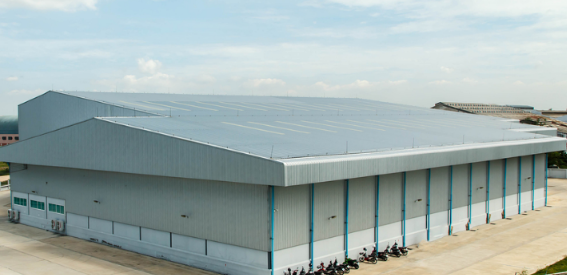
Metal roof systems come in two main types: standing seam and exposed-fastener panels; exposed screws need periodic checking, since washers and sealant age. Metal sheds rain and hail quickly, and a light finish reflects much of the summer sun; hail can dent panels, though many dents are cosmetic.
A metal retrofit over a worn low-slope roof is sometimes possible with added framing; a survey of the old roof is needed before the plan is set. Fixing a metal roof means tracing water to the exact point where a seal has failed; sealants age and need refreshing over time.
What Sits Between the Deck and the Membrane
The thermal layer under the membrane affects comfort inside and energy use for the whole building; thickness is set by the design needs of the building. Soaked boards cannot be dried in place, so they must be cut out and replaced; replacing small wet sections can extend the life of the roof.
A thin, dense board over the insulation adds impact resistance to the roof; dense boards add a small amount of weight and thickness. Every layer is attached to the one below, and the pattern of attachment must resist uplift; thoughtful attachment is part of a roof that lasts through storm season.
Reflective Roofing in Hot Summers
A cool roof is one that reflects sunlight and releases absorbed heat quickly; rooftop surface temperatures can be far above air temperature. Restoring a roof with a coating can postpone replacement when conditions allow; a moisture survey comes before any coating decision.
Standing water can degrade some coatings, so drainage must be addressed first; crickets and drains are the common cures for ponding. Planning for photovoltaic panels means considering the roof first, then the array; roof work is easiest before panels are in place.
Sloped Roof Materials at a Glance
Pitched commercial roofs are covered with asphalt shingles, clay or concrete tile, wood or metal; wood roofs are rare and call for special care around fire and moisture. Hail is the main test for any steep-slope material in the region; broken tile is replaced piece by piece.
Slope, Use and Exposure: Picking the Right Roof
Slope, deck type, load capacity and rooftop equipment all narrow the choice of system; a warehouse and a restaurant may need very different roofs. Honest comparisons include the drawbacks of each option as well as the strengths; details such as flashing and edge metal belong in the comparison.
Transitions and Terminations
Whatever the material, the places where a roof meets a wall, a curb or a pipe need their own flashing details; photographs of each detail record what was built. Counterflashing, edge metal and pipe boots each have a job, and each one can be inspected; a visual check of each detail twice a season is a reasonable habit.
Water Management on a Flat Roof
Interior drains, scuppers and gutters carry water off a low-slope roof in different ways; a crew can add crickets to steer water around curbs. Intense summer rain arrives fast, and drains must be ready for it; a drain that works on a dry day may still be undersized.
Maintenance by Material
Built-up roofs with gravel benefit from a check for bare spots where stone has washed away; small repairs keep large ones away. Routine upkeep is inexpensive compared with the damage that neglect allows; every roof type responds well to attention.
Fire, Wind and Code Questions for Any System
Every roof assembly has to meet the local code for the building type it covers; permits are usually needed for a full roof replacement. Strong gusts test a roof assembly at its perimeter, so perimeter zones get extra fasteners or adhesive; a crew follows the published pattern and documents the work.
Next Step: A Conversation About the Roof
Commercial Roofers Dallas serves commercial properties in Richardson Texas and the nearby towns; options are laid out in plain terms before anything is decided. Contact 469-677-8677 with the address and a few details about the current roof; our team is glad to answer questions before anything is decided.