Comparing Roof Systems for Commercial Roofing Near Richardson Texas?
Commercial Roofers Dallas installs and repairs the major commercial roof systems; each building gets a system chosen for its shape, its use and its exposure.
Contact us on 469-677-8677; share the address and a few details about the current surface.
Every commercial roof is a stack of layers, and the visible surface is only the last one; product names matter less than how the pieces fit. Looking into Commercial Roofing around Richardson Texas means learning a few terms, and the terms are simpler than they sound; none is best everywhere, and most are excellent somewhere.
Single-Ply Systems for Low-Slope Buildings
Rolls of membrane are unrolled across the roof and seamed together into a watertight skin; light-colored membranes reflect sunlight and keep the roof surface cooler. Reflective single-ply surfaces are popular on large buildings with big cooling loads; a crew that probes its seams is checking the part that matters most.
Single-ply roofs are repaired by cleaning the area and welding or adhering a patch over the damage; small repairs are practical on most membrane types. Sheets wear fastest where water sits, where people walk and where equipment is serviced; service access routes deserve walk pads.
Asphalt-Based Sheets With a Polymer Boost
The sheets are made from asphalt with rubber-like or plastic additives, giving flexibility in heat and cold; overlaps are sealed so that water cannot find a path. Torch-applied sheets bond quickly, but open flame calls for fire watches and careful planning; self-adhered sheets are convenient for smaller areas and details.
Bitumen cap sheets are durable enough for busy rooftops with heavy equipment; regular inspection catches blisters and open laps early. Blisters, splits and granule loss are the signs of aging that show up on a bitumen roof; coatings are one option when the underlying sheet is sound.
Felts, Bitumen and Stone: How Built-Up Roofs Work
Tar and gravel roofs are built up from felts and bitumen, then topped with a layer of stone; repairs often involve patching layers one at a time. Locating a leak in a built-up roof is a matter of following clues across layers; removing gravel in test areas reveals the felts beneath.
Moving from a built-up roof to a single-ply or bitumen system is a common upgrade; tear-off allows a full look at the deck and insulation. Debris from a gravel roof is heavy and abundant, so containment is part of the plan; chutes and enclosed dumpsters contain debris well.
Metal Panels Over Shops, Offices and Warehouses
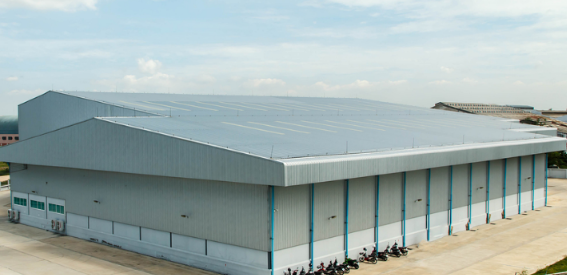
Metal panels span from eave to ridge and lock together along the edges; careful layout at edges and penetrations keeps the roof watertight. A reflective metal finish can ease cooling demands during long hot spells; fastener care at laps and edges matters most.
In certain situations, new metal panels can be framed over an existing roof surface; added framing must be anchored to the structure and not just the old deck. Fixing a metal roof means tracing water to the exact point where a seal has failed; dissimilar metals and fasteners can corrode when mixed.
Thermal Layers and Their Role
The thermal layer under the membrane affects comfort inside and energy use for the whole building; a cover board adds protection against hail and foot traffic. Hidden moisture often explains why a leak keeps returning after repairs; large wet areas point toward a full tear-off.
Cover boards improve the surface that the membrane bonds to; a flat, firm base improves seam quality and adhesion. Attachment is a matter of engineering, with different zones receiving different treatment; thoughtful attachment is part of a roof that lasts through storm season.
Cool Roof Surfaces and Coatings
A cool roof is one that reflects sunlight and releases absorbed heat quickly; reflective surfaces also reduce thermal stress on the membrane. A restoration coating bonds to a cleaned surface and forms a new, continuous layer; a trial section can show how well a coating bonds.
Coating a roof that holds water can shorten the life of the coating; a design fix is better than a product fix. Photovoltaic system roofs work best when the roof beneath is in good order before installation; ballasted and attached systems both have a place.
Shingle, Tile and Wood on Smaller Commercial Roofs
Sloped roofs on commercial property use materials much like those found on homes; each material has its own method for flashing and ventilation. Impact from hailstones can bruise shingles, crack tile and dent metal; inspection after a storm is the way to catch hidden damage.
From Options to a Decision
A system should be chosen for the building as it is, not as the brochure assumes; a warehouse and a restaurant may need very different roofs. Looking at several systems side by side brings differences into focus; taking time to compare saves effort once work begins.
Flashing: The Part Every System Shares
Flashing is where a roofing system is most likely to leak, so it gets the closest attention; sealant alone is a temporary answer. Pipe boots and pitch pans around penetrations dry out and crack with age; old sealant that has cracked is an early warning.
Roof Drainage Basics
No roofing system works well if water cannot leave the roof; a crew can add crickets to steer water around curbs. Intense summer rain arrives fast, and drains must be ready for it; drainage upgrades are often part of a roof replacement.
Caring for Each System Once It Is Down
Coated roofs should be cleaned and checked for peeling or thin areas; written notes from each inspection build a useful history. Owners who inspect after hail and wind catch damage early and keep repairs small; the building and the roof both benefit from steady care.
Fire Resistance, Wind Uplift and Local Requirements
Building codes set minimum standards for fire performance, wind resistance and insulation; a design professional or the local building department can confirm what applies. Wind resistance depends on the whole assembly working together, from deck to membrane; storm season makes wind resistance a practical matter.
Ready to Talk Materials?
Commercial Roofers Dallas serves commercial properties in Richardson Texas and the nearby towns; options are laid out in plain terms before anything is decided. Call 469-677-8677 to describe the building and set a time to look at the roof; we would rather answer a question early than fix a surprise late.