A Plain Guide to Commercial Roofers in Texas?
Commercial Roofers Dallas works on the roofs of shops, offices and industrial buildings nearby; the roof is examined first and the paperwork follows.
Dial 469-677-8677; describe the leak, the damage or the project you have in mind.
Owners comparing roofing crews learn the most from how specifically each proposal is written; anything left unwritten is open to argument once work begins. People who type in Commercial Roofers near Texas are usually facing a decision with a deadline attached; a list of past repairs is worth more than a guess.
What a Solid Proposal Includes
A thorough proposal lists every layer from the deck up, along with how each is fastened or joined; a missing layer on paper often means a missing layer on the roof. Edge metal, curbs and penetrations should each be named instead of lumped into a general line; the open field of a membrane is rarely where water first gets in.
Ask how the crew handles wet insulation found during tear-off; hidden conditions are common and should never be a surprise to the paperwork. Written cleanup terms keep gravel, nails and old membrane off the lot; tidy work habits show up in the finished roof as well.
Walking the Roof Together
A proper roof visit includes walking the surface, checking drains and looking at every seam that can be reached; a roof walk done carefully is the best predictor of a useful bid. The person who handles building complaints often knows the roof’s trouble spots better than anyone; where and when a leak appears matters as much as how much water comes in.
Water that lingers near drains or at mid-span is worth recording; drainage problems shorten the working life of almost any membrane. Equipment curbs, pipe supports and conduit runs are checked for loose flashing and worn sealant; mechanical access paths are worth planning around.
Tenants, Deliveries and Roof Work
Commercial roof work often happens above people who keep working all day; communication with tenants keeps small annoyances from growing. Many projects are staged so each area is dried in before the next one is opened; sudden storms are common enough that nothing should be left open overnight.
Loading material onto a roof takes space, and that space has to be set aside in advance; a short meeting before mobilization avoids most day-one frustrations. Items inside the building near the work area are protected before tear-off begins; clear messages to tenants cut down on calls during the job.
Comparing Bids Item by Item
Line up the scope sections of each bid before looking at anything else; a gap between bids usually points to a gap in scope. A written set of identical questions makes differences between proposals easy to spot; clear replies are easier to put in a contract.
An honest bid admits that some conditions only show up once the old roof is open; owners should know in advance how extra items are handled. Dates alone matter less than the thinking behind them; schedules built around the building tend to hold up better.
How a Careful Crew Handles Roof Hazards
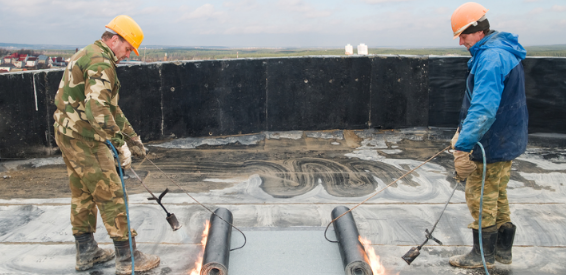
Anyone working near a roof perimeter or an unprotected skylight needs a plan to stay secure; safe setup comes before the first roll of material goes up. Open flame on a roof means clear rules about extinguishers, spotters and combustible materials; not every roofing system is the right choice for every building.
Summer afternoons put crews on surfaces hot enough to slow the day without breaks and water; good crews watch the forecast as closely as the schedule. Material handling on the roof is another place where planning pays off; weight limits are real even on roofs that look solid.
Asking the Right Questions About Materials
Attention to what lies under the membrane often separates lasting work from quick work; asking about the layers early shows what a crew values. Good drainage turns a flat roof into one that sheds water as designed; drain bowls and strainers are small parts with large consequences.
Find out how seams are made and checked before the membrane goes down; careful seam work is slow work, and that is a good thing. Roof edges take the heaviest wind forces, so edge metal and fastening need special care; edge details are among the first things to fail in a bad storm.
Who to Call and When
The best projects have a clear contact on site and another at the office; queries are easier to settle when they are raised early. A visual record of each phase helps answer questions months after the job is done; good records also help with future maintenance planning.
Changes to the plan should be put in writing before the extra work happens; speed matters on a roof, but clarity matters more. A message about the day’s plan, even when the plan is a pause, is part of good communication; an open roof should never be left unprotected.
Close-Out Steps That Matter
The close-out of a roof project should include a walk with the owner or manager; a quick final look can save a return trip. Site cleanup should include a magnet sweep of the lot to pick up stray fasteners; a magnet pass is simple and worth insisting on.
Owners should file the final scope, material data and photographs together for future reference; knowing the exact system on the roof speeds up every repair. Walking the roof after the first big storm confirms that drains and seams are doing their jobs; most early problems show up within the first few storms.
A Simple Routine for Roof Care
Seasonal checks, along with a look after severe storms, are the heart of roof maintenance; a maintenance plan fits the building and how it is used. The single most useful maintenance step is clearing debris from the drains after heavy rain; tree limbs overhanging the roof are worth trimming back.
Service technicians and trades should know where to walk and what to avoid on a membrane; a short access policy prevents many punctures. A stain on a ceiling tile or a puddle near a wall is worth a quick call and a few photographs; wet insulation is the real damage that waiting causes.
Talk It Over With a Crew That Walks the Roof First
Commercial Roofers Dallas serves commercial properties in Texas and the nearby towns; bring photos, past reports or just a description of the problem. Dial 469-677-8677 to talk through the problem and arrange a site visit; a clear plan begins with a clear conversation.