A Plain Guide to Commercial Roofers in Richardson Texas?
Commercial Roofers Dallas handles roof work on commercial properties in the surrounding towns; the scope is set on the roof, in daylight, with photographs.
Reach us at 469-677-8677; say what you have noticed and where on the property.
The best commercial roofing proposals are the ones a building owner can read and picture; a short, specific document beats a long, general one. Searching for Commercial Roofers in Richardson Texas usually begins with a leak, a failed inspection or a plan to sell; a list of past repairs is worth more than a guess.
Reading a Roofing Proposal Closely
A thorough proposal lists every layer from the deck up, along with how each is fastened or joined; comparing like with like is only possible when the lists match. Perimeter metal and wall terminations belong in the written scope, not in a verbal promise; the open field of a membrane is rarely where water first gets in.
Ask how the crew handles wet insulation found during tear-off; no roof is fully known until the old layers come off. Written cleanup terms keep gravel, nails and old membrane off the lot; stray fasteners can flatten tires long after the work is finished.
What Happens During a Roof Walk
The visit covers low spots, blistering, open seams, loose flashing and anything that holds water; notes from the walk become the backbone of the proposal. A manager who has seen the leaks firsthand can save a lot of guessing during the visit; a leak that follows heavy rain points somewhere different than a leak after a dry week.
Look for areas that stay wet long after the rest of the roof has dried; slope and drains deserve as much attention as the membrane itself. Anything that passes through the roof surface, from vents to electrical conduit, is looked at closely; service traffic around equipment wears roofs faster than weather alone.
Keeping the Building Open During the Work
Offices, shops and warehouses usually stay open while the roof overhead is replaced; noise, dust and deliveries all need to be planned for. Many projects are staged so each area is dried in before the next one is opened; weather in the forecast shapes the order in which areas are tackled.
Staging areas for materials, cranes and bins are agreed upon before the first day; foot traffic below is routed away from the work area. Vibration and dust from the work can reach the interior, so preparation inside matters; a walk through the interior before work begins is a smart step.
Reading Differences Between Bids
The first step in comparing bids is making sure each one covers the same scope; mismatched scopes are the main reason owners feel misled later. Ask each contractor the same questions about drainage, flashing and fastening and compare what comes back; specific replies beat general reassurance.
An honest bid admits that some conditions only show up once the old roof is open; transparency about unknowns builds trust before the work starts. Check whether each proposal explains when work begins and how long each stage is expected to take; schedules built around the building tend to hold up better.
Safety Practices Worth Asking About
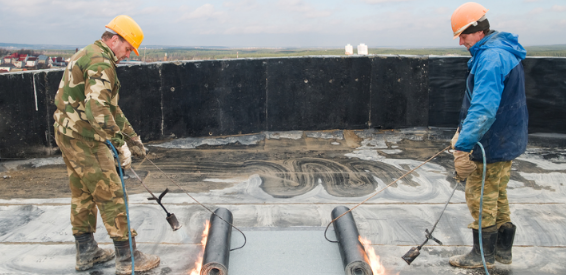
Anyone working near a roof perimeter or an unprotected skylight needs a plan to stay secure; the plan should be clear before the day begins. Systems that use heat require a fire plan, including a watch period after the work is done; cold-applied and mechanically attached options avoid open flame altogether.
Early starts, shade breaks and hydration plans are part of working through the hot months; good crews watch the forecast as closely as the schedule. Rolls of membrane and stacks of insulation can overload a roof if staged carelessly; weight limits are real even on roofs that look solid.
System Choices That Shape the Whole Job
Insulation, boards and attachment methods are as important as the surface material; asking about the layers early shows what a crew values. Water that cannot leave the roof will eventually find a way in; drain bowls and strainers are small parts with large consequences.
Find out how seams are made and checked before the membrane goes down; seams are where membrane roofs most often show their age. Edge metal and terminations are the second place to ask questions, since wind loads concentrate there; taking time on edges pays off when severe weather arrives.
Keeping Owners Informed From Start to Finish
Every job runs better when the owner knows exactly who to call with questions; a daily note on progress is easy to give and valuable to receive. A visual record of each phase helps answer questions months after the job is done; documentation takes the crew little time and gives the owner a lot.
Unexpected findings are reported with photos, and the response is agreed before work resumes; the habit of writing changes down is a good sign. Weather delays are normal, and a good crew explains them instead of going quiet; schedules shift, and honest updates make that easier to accept.
The Final Walk and What Comes After
A final walk across the new roof with the crew lead is the best way to confirm the work is complete; the last hour of a project often decides how it is remembered. A clean property is the visible sign of a project handled with care; everything that came onto the property should leave with the crew.
Project documents belong with the building records, not in a single person’s inbox; a tidy folder is the simplest tool for roof management. Look over the roof after its first season of weather to confirm that all is well; a crew that welcomes follow-up is confident in its work.
Seasonal Checks Worth Doing
Seasonal checks, along with a look after severe storms, are the heart of roof maintenance; most roof failures grow slowly from issues that could have been fixed early. The single most useful maintenance step is clearing debris from the drains after heavy rain; tree limbs overhanging the roof are worth trimming back.
Protecting the membrane from tools, ladders and dropped hardware extends the life of the surface; reporting damage promptly avoids bigger problems later. Reporting a problem right away gives a crew the best chance of a straightforward fix; keeping a log of leaks helps pinpoint patterns.
Ready to Talk Through the Roof?
Property managers and owners across Richardson Texas can reach Commercial Roofers Dallas to set up a visit; the conversation starts with the roof and what the roof needs. Contact 469-677-8677 with the address and a few details about what you are seeing; the visit is simple and gives the building a fair hearing.