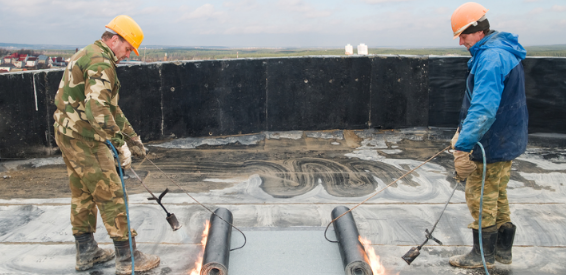
Making Sense of Asphalt Roofers in Texas?
Commercial Roofers Dallas takes on commercial roof work for owners and property managers; the roof is examined first and the paperwork follows.
Dial 469-677-8677; let us know the type of roof and how the building is used.
A sound commercial roof proposal reads like a plan and not like a sales brochure; details on paper become details on the roof. Searching for Asphalt Roofers in Texas usually begins with a leak, a failed inspection or a plan to sell; knowing where water shows up indoors helps narrow the search outside.
What a Good Bid Spells Out
The strongest proposals say exactly which materials go down and in what order; two bids that sound alike can describe very different roofs. Details such as flashing, counterflashing and pipe boots are worth listing one by one; a detail left off the scope is a detail left to chance.
Ask how the crew handles wet insulation found during tear-off; no roof is fully known until the old layers come off. Written cleanup terms keep gravel, nails and old membrane off the lot; tidy work habits show up in the finished roof as well.
What Happens During a Roof Walk
The visit covers low spots, blistering, open seams, loose flashing and anything that holds water; a roof walk done carefully is the best predictor of a useful bid. It helps when someone who knows the building joins the visit and points out where water has shown up; a leak that follows heavy rain points somewhere different than a leak after a dry week.
Standing water on a flat roof several days after rain is a finding that belongs in the notes; slope and drains deserve as much attention as the membrane itself. Rooftop units and their curbs get a careful look, since each unit is a break in the membrane; heavy use around equipment calls for walk pads and extra protection.
Tenants, Deliveries and Roof Work
A roofing project on an occupied building needs a plan for the people underneath; a sequence that protects the interior is part of the job. Staging the work by area lets the crew close up the roof each evening; dry-in at the end of each day is the standard to look for.
The crew and the property manager decide together where equipment can park and where it cannot; fire lanes and loading docks need to stay clear. Ceiling tiles, shelving and inventory beneath the active section are moved or covered; clear messages to tenants cut down on calls during the job.
Comparing Bids Item by Item
Before looking at any totals, check that the proposals describe the same roof system and the same details; mismatched scopes are the main reason owners feel misled later. Ask each contractor the same questions about drainage, flashing and fastening and compare what comes back; how a question is handled tells more than any number.
Pay attention to how each crew handles unknowns, such as hidden deck damage or wet insulation; a good process matters more than a bold promise. Dates alone matter less than the thinking behind them; a crew that explains its sequence usually keeps to it.
Keeping a Work Site Safe
The perimeter, skylight openings and roof hatches call for guardrails, covers or warning lines; safe setup comes before the first roll of material goes up. Torches, kettles and heat-welding tools call for careful fire prevention on the roof; cold-applied and mechanically attached options avoid open flame altogether.
Summer afternoons put crews on surfaces hot enough to slow the day without breaks and water; a pause for wind or lightning is a sign of good judgment. The weight of materials, equipment and crew on an aged roof is worth thinking about before loading; plans for loading keep the building safe as well as the crew.
The Parts of a Roof You Do Not See
Attention to what lies under the membrane often separates lasting work from quick work; details beneath the surface rarely show up in photographs. Every project should include a plan for drains, from cleaning to replacement of damaged strainers; crickets and tapered insulation are common ways to move water.
Seam construction varies by system, and each approach has different strengths; a clear explanation of seam work shows real familiarity with a system. Edge metal and terminations are the second place to ask questions, since wind loads concentrate there; spring storms and straight-line winds make edge details important.
Staying in the Loop During the Project
Every job runs better when the owner knows exactly who to call with questions; queries are easier to settle when they are raised early. Progress photos of tear-off, deck repair and installation document work that will soon be hidden; images taken during work are the best proof of workmanship.
If the scope changes, the new scope is agreed on paper before anyone picks up a tool; written changes protect both the owner and the crew. When weather stops work, the owner should hear what is being done to protect the roof; an open roof should never be left unprotected.
Wrapping Up a Commercial Roof Project
A final walk across the new roof with the crew lead is the best way to confirm the work is complete; a quick final look can save a return trip. Final cleanup covers the roof, the ground and the gutters; everything that came onto the property should leave with the crew.
Records of what was installed and where make future maintenance far easier; good records also help when a roof is assessed after a storm. A check after the first heavy rain shows how the new roof handles real conditions; routine checks keep minor findings from turning into leaks.
Maintenance That Extends a Roof’s Life
A walk across the roof in spring and again in fall is a simple maintenance routine; a maintenance plan fits the building and how it is used. Clear drains and clean surfaces help a roof shed water as it was designed to; tree limbs overhanging the roof are worth trimming back.
Protecting the membrane from tools, ladders and dropped hardware extends the life of the surface; walk pads are inexpensive protection around high-traffic areas. A prompt visit to a leaking roof can prevent damage to insulation, decking and the interior; keeping a log of leaks helps pinpoint patterns.
Next Step: A Walk Across the Roof
Anyone responsible for a commercial building in Texas can start with a call to Commercial Roofers Dallas; bring photos, past reports or just a description of the problem. Dial 469-677-8677 to talk through the problem and arrange a site visit; our team is glad to answer questions before anything is decided.