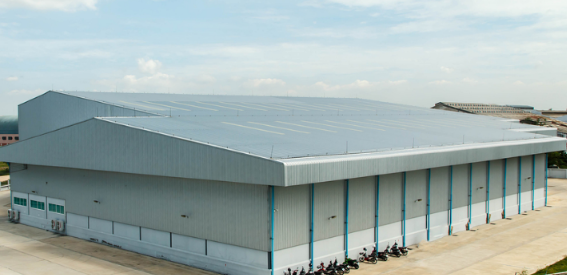
A Look Under the Surface of Commercial Roofing Companies in Mesquite Texas?
Commercial Roofers Dallas builds and mends roofs on warehouses, offices and shops in many materials; the material is matched to the building before any order is placed.
Phone 469-677-8677; share the address and a few details about the current surface.
A commercial roofing system is built up in layers, with the top surface doing the weather work; product names matter less than how the pieces fit. Searching for Commercial Roofing Companies in Mesquite Texas is easier with a rough idea of the main system families; none is best everywhere, and most are excellent somewhere.
Single-Ply Membranes: TPO, PVC and EPDM
Single-ply systems are the most common choice for low-slope commercial buildings; the method of attachment is one of the main points to compare. White reflective membranes help keep rooftops cooler through long, hot summers; hail resistance varies with membrane thickness and what lies beneath.
Single-ply roofs are repaired by cleaning the area and welding or adhering a patch over the damage; a repair on the wrong material will not last. Membrane damage tends to cluster around drains, equipment curbs and access paths; a well-drained roof ages more slowly than a roof with ponds.
Layered Bitumen Sheets for Tough Roofs
Modified bitumen roofs use two or more layers, with a base sheet and a surfaced cap sheet on top; the cap sheet takes the weather and the base sheet backs it up. Torch-applied sheets bond quickly, but open flame calls for fire watches and careful planning; fire safety plans are standard for any heat-applied system.
The thick, layered surface stands up well to foot traffic and rooftop maintenance; regular inspection catches blisters and open laps early. Aging bitumen roofs show their condition in the surface, the laps and the flashing; repairs use compatible patches and sealants.
Built-Up and Tar and Gravel Roofs
Several plies of felt are joined together with bitumen to form a thick, continuous membrane; repairs often involve patching layers one at a time. Locating a leak in a built-up roof is a matter of following clues across layers; a patient inspection saves a lot of unnecessary tearing.
The decision to tear off or recover depends on moisture, weight and the condition of the deck; local codes can limit the number of layers on a deck. Stone from an old roof must be contained, hauled off and kept off walkways; blocked drains are a risk during any tear-off.
Metal Panels Over Shops, Offices and Warehouses
Commercial metal roofs are built from steel or aluminum panels, either with concealed clips or visible screws; careful layout at edges and penetrations keeps the roof watertight. The smooth surface sends water off fast and, with a reflective coating, helps manage heat; coatings and finishes vary, so details are worth asking about.
Re-covering with metal avoids some demolition and keeps the building in use; a survey of the old roof is needed before the plan is set. Metal roof repairs involve sealing fasteners, replacing damaged panels and refreshing flashing; edge trim and closures often fail before panels do.
What Sits Between the Deck and the Membrane
Polyiso, EPS and other rigid boards provide the thermal layer beneath the roof surface; insulation that gets wet loses much of its value. Soaked boards cannot be dried in place, so they must be cut out and replaced; large wet areas point toward a full tear-off.
Hail-prone areas benefit from a high-density cover board under the membrane; extra protection is especially wise where storms are frequent. Tighter fastening at corners and perimeters is standard where wind forces are highest; pull-out tests can verify that fasteners hold in an existing deck.
Coatings, Reflective Surfaces and Reflective Roofs
White membranes and reflective coatings are widely used on commercial buildings; reflective surfaces also reduce thermal stress on the membrane. Restoring a roof with a coating can postpone replacement when conditions allow; a moisture survey comes before any coating decision.
A coating is not a cure for ponding water, and drainage problems need their own solution; some silicone coatings tolerate ponding better than others. A roof that will carry photovoltaic panels should be sound, since panels stay for a long time; a conversation with the roofing crew is a smart first step.
Shingle, Tile and Wood on Smaller Commercial Roofs
Not every business roof is flat, and offices, clinics and restaurants often have pitched roofs; the structure and the look of the building guide the choice. Hail season is a fact of life for pitched roofs here, and materials vary in how they respond; a close look at the slopes after every severe storm is worth the effort.
Matching a System to a Building
Choosing a roof means weighing slope, access, traffic, equipment and exposure to weather; a short list is better than a long one. A written comparison of two or three systems makes the choice clearer; details such as flashing and edge metal belong in the comparison.
Flashing and Details Across Every System
Flashing is where a roofing system is most likely to leak, so it gets the closest attention; a detail built from the wrong material can fail long before the field of the roof. Rooftop equipment curbs are wrapped, sealed and capped to keep water out; edge metal that has loosened is worth fixing before the next storm.
Water Management on a Flat Roof
A flat roof is never truly flat, and drainage is built in through slope, drains and scuppers; strainers keep debris out of the drain lines. Intense summer rain arrives fast, and drains must be ready for it; a drain that works on a dry day may still be undersized.
What Each Roof Type Asks of the Owner
Single-ply roofs benefit from clean surfaces, clear drains and a check of the seams after storms; a short routine is better than none. A seasonal walk, a post-storm check and a clear set of records cover most maintenance needs; a crew that offers inspection visits is thinking about the long run.
Building Codes and the Roof Assembly
The code requirements for a commercial roof cover fire, wind, drainage and energy use; questions about code are best raised before materials are ordered. Strong gusts test a roof assembly at its perimeter, so perimeter zones get extra fasteners or adhesive; manufacturers publish attachment patterns for each system.
Let Us Look at the Roof Before Choosing
Owners and managers across Mesquite Texas can reach Commercial Roofers Dallas to talk about roof systems and materials; a short description of the building is enough to begin. Contact 469-677-8677 with the address and a few details about the current roof; our team is glad to answer questions before anything is decided.