Materials and Methods Behind Tar & Gravel Roofing Contractors in Irving Texas?
Commercial Roofers Dallas builds and mends roofs on warehouses, offices and shops in many materials; the material is matched to the building before any order is placed.
Phone 469-677-8677; tell us what the building needs from its roof.
Commercial roof systems are assemblies, not single products, and each layer has a distinct role; a change in one layer can affect all the others. A request for Tar & Gravel Roofing Contractors near Irving Texas leads to a short list: single-ply, bitumen, built-up, metal or coating; a plain description of each makes comparing proposals far easier.
The Sheet Membrane Family
Single-ply membranes arrive in large rolls and are rolled out across insulation on the roof deck; EPDM is a rubber sheet whose seams are glued or taped. Reflective single-ply surfaces are popular on large buildings with big cooling loads; hail resistance varies with membrane thickness and what lies beneath.
Membrane repairs depend on matching the patch to the sheet and sealing every edge; finding the real source of a leak is usually the hardest step. Where a membrane shows early aging, the cause is almost always standing water or heavy use; protecting the surface where people walk is inexpensive protection for the sheet.
Modified Bitumen Roofing Explained
Modified bitumen is asphalt blended with polymers and reinforced with fabric, supplied in rolled sheets; the cap sheet takes the weather and the base sheet backs it up. Torch-applied sheets bond quickly, but open flame calls for fire watches and careful planning; the surrounding building decides which method is wise.
Bitumen cap sheets are durable enough for busy rooftops with heavy equipment; white coatings can be applied to reflect heat. Look for blisters, open laps and bare patches where granules have worn away; moisture surveys can reveal wet insulation hidden beneath.
The Original Multi-Ply Flat Roof
The layered construction of a built-up roof gives it redundancy that single sheets lack; many older commercial buildings still wear built-up roofs. Leaks on a gravel-surfaced roof can travel a long way before they show up inside; a patient inspection saves a lot of unnecessary tearing.
Many owners choose a modern membrane to replace a tired gravel roof; any replacement path should be explained in writing before work begins. Handling loose stone during tear-off calls for planning and the right equipment; chutes and enclosed dumpsters contain debris well.
Metal Roof Systems in Plain Terms
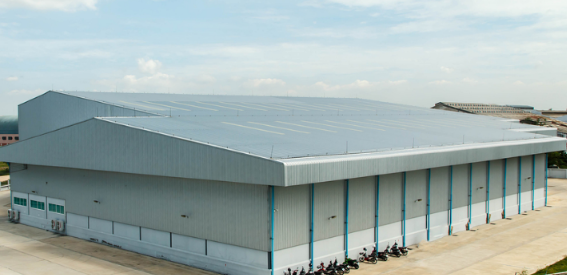
Metal roof systems come in two main types: standing seam and exposed-fastener panels; long panels are cut and formed to suit the building. Metal is a lightweight option, which suits buildings where deck capacity is limited; noise from rain can be addressed with insulation underneath.
In certain situations, new metal panels can be framed over an existing roof surface; a survey of the old roof is needed before the plan is set. Repairs to metal roofs focus on laps, fasteners, penetrations and edge trim; edge trim and closures often fail before panels do.
Insulation, Boards and Fasteners
The thermal layer under the membrane affects comfort inside and energy use for the whole building; a cover board adds protection against hail and foot traffic. Soaked boards cannot be dried in place, so they must be cut out and replaced; a proper survey keeps repair decisions grounded in facts.
Adding a board layer reduces the chance of hail bruising the membrane; extra protection is especially wise where storms are frequent. Fasteners, plates and adhesives hold the layers to the deck and resist wind uplift; thoughtful attachment is part of a roof that lasts through storm season.
Cool Roof Surfaces and Coatings
Light-colored roofing materials reflect more of the sun and help the building stay cooler; product choices differ in their reflectivity and durability. If the roof beneath is dry and in decent shape, a coating may extend its service; coatings are not repairs for structural or drainage problems.
Coating a roof that holds water can shorten the life of the coating; a design fix is better than a product fix. Planning for photovoltaic panels means considering the roof first, then the array; coordinating the roof and the array saves effort.
Sloped Roof Materials at a Glance
Not every business roof is flat, and offices, clinics and restaurants often have pitched roofs; wood roofs are rare and call for special care around fire and moisture. Shingles, tiles and wooden shakes each show hail damage in their own way; a close look at the slopes after every severe storm is worth the effort.
Choosing With the Whole Building in Mind
Slope, deck type, load capacity and rooftop equipment all narrow the choice of system; good advice starts with questions about the building. Honest comparisons include the drawbacks of each option as well as the strengths; details such as flashing and edge metal belong in the comparison.
Walls, Curbs, Pipes and Edges
Whatever the material, the places where a roof meets a wall, a curb or a pipe need their own flashing details; sealant alone is a temporary answer. Counterflashing at a parapet wall sheds water over the top of the membrane; a visual check of each detail twice a season is a reasonable habit.
Drainage and Slope as Part of the Design
No roofing system works well if water cannot leave the roof; a crew can add crickets to steer water around curbs. A sudden thunderstorm can drop more water than a clogged drain can handle; overflow paths prevent water from rising above the flashing.
Maintenance by Material
Coated roofs should be cleaned and checked for peeling or thin areas; small repairs keep large ones away. Routine upkeep is inexpensive compared with the damage that neglect allows; every roof type responds well to attention.
Fire Resistance, Wind Uplift and Local Requirements
Every roof assembly has to meet the local code for the building type it covers; a good crew builds to the code in force on the day of the work. Fastening patterns and edge details are chosen to resist the wind that the building can face; testing and engineering back up the published attachment patterns.
Next Step: A Conversation About the Roof
Commercial Roofers Dallas serves commercial properties in Irving Texas and the nearby towns; a short description of the building is enough to begin. Reach us at 469-677-8677 and we will set up a time that works around the business; a clear plan begins with a clear conversation.