Commercial Roofing Around Irving Texas: Which System Fits the Building?
Commercial Roofers Dallas works with membranes, metal panels, built-up layers and coatings; a short conversation about the building comes before a conversation about product.
Contact us on 469-677-8677; ask about the systems that suit your property.
Every commercial roof is a stack of layers, and the visible surface is only the last one; a change in one layer can affect all the others. Searching for Commercial Roofing in Irving Texas is easier with a rough idea of the main system families; the sections below describe each family in plain language.
White Single-Ply Sheets on Flat Roofs
Single-ply membranes arrive in large rolls and are rolled out across insulation on the roof deck; sheets can be attached with fasteners, adhesive or loose ballast. Dark EPDM absorbs heat, while white TPO and PVC send much of it back; hail resistance varies with membrane thickness and what lies beneath.
Repairs on a membrane roof start with finding the break, cleaning the surface and applying a compatible patch; older membranes can be harder to weld, so the method may change. Where a membrane shows early aging, the cause is almost always standing water or heavy use; good detailing around equipment pays off for as long as the roof lasts.
Modified Bitumen Roofing Explained
A modified bitumen roof is built up from rolled sheets, usually in two plies or more; the cap sheet takes the weather and the base sheet backs it up. Torch-applied sheets bond quickly, but open flame calls for fire watches and careful planning; the surrounding building decides which method is wise.
Bitumen cap sheets are durable enough for busy rooftops with heavy equipment; granule-coated caps resist sun and hail bruising. Look for blisters, open laps and bare patches where granules have worn away; moisture surveys can reveal wet insulation hidden beneath.
Felts, Bitumen and Stone: How Built-Up Roofs Work
Tar and gravel roofs are built up from felts and bitumen, then topped with a layer of stone; a built-up roof is heavy and the deck must be able to carry it. Because stone covers the membrane, inspections often involve sweeping gravel aside to see what lies beneath; flashing at walls and edges is a common source of trouble.
Replacing a built-up roof can mean removing all the layers or overlaying a new system; a moisture survey of the roof is the usual first step. Cleanup after gravel removal protects drains and keeps stone out of parking areas; protecting cars and walkways is a basic courtesy.
Metal Roofing on Commercial Buildings
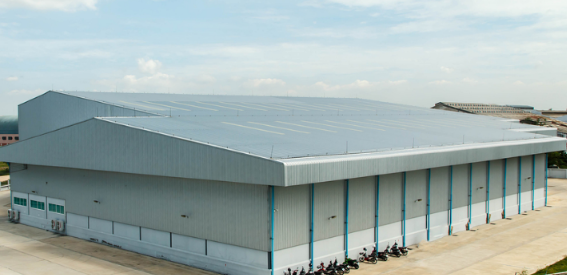
Roll-formed panels are fastened to the structure in a pattern that allows for movement; careful layout at edges and penetrations keeps the roof watertight. Metal sheds rain and hail quickly, and a light finish reflects much of the summer sun; noise from rain can be addressed with insulation underneath.
Re-covering with metal avoids some demolition and keeps the building in use; each retrofit is designed around the individual building. Repairs to metal roofs focus on laps, fasteners, penetrations and edge trim; dissimilar metals and fasteners can corrode when mixed.
The Hidden Layers of a Flat Roof
The thermal layer under the membrane affects comfort inside and energy use for the whole building; insulation that gets wet loses much of its value. When water gets into insulation, it spreads and stays, even after the leak is stopped; infrared scans, core samples and moisture meters help to find wet areas.
Hail-prone areas benefit from a high-density cover board under the membrane; a flat, firm base improves seam quality and adhesion. Fasteners, plates and adhesives hold the layers to the deck and resist wind uplift; fastener type must suit the deck material.
Coatings for Roofs: A Closer Look
Reflective roof surfaces send sunlight back instead of absorbing it as heat; reflective surfaces also reduce thermal stress on the membrane. Liquid-applied coatings can refresh an aging roof that is still dry and sound underneath; a trial section can show how well a coating bonds.
A coating is not a cure for ponding water, and drainage problems need their own solution; an honest evaluation looks at the water first. A roof that will carry photovoltaic panels should be sound, since panels stay for a long time; roof work is easiest before panels are in place.
Asphalt, Tile and Wood Roofs on Commercial Property
Buildings with visible roof slopes typically use shingle, tile, wood or standing seam metal; each material has its own method for flashing and ventilation. Shingles, tiles and wooden shakes each show hail damage in their own way; cracked or bruised shingles lose granules and age faster.
Slope, Use and Exposure: Picking the Right Roof
Choosing a roof means weighing slope, access, traffic, equipment and exposure to weather; a warehouse and a restaurant may need very different roofs. Honest comparisons include the drawbacks of each option as well as the strengths; taking time to compare saves effort once work begins.
Where the Roof Meets Everything Else
Manufacturers publish standard details for edges, curbs and penetrations, and good crews follow them; flashing details are a better test of a crew than the open surface. Counterflashing, edge metal and pipe boots each have a job, and each one can be inspected; edge metal that has loosened is worth fixing before the next storm.
Why Drainage Shapes the Choice of System
Slope toward the drains is created by the deck or by tapered insulation; a crew can add crickets to steer water around curbs. Storms that dump rain in short bursts are the real exam for a roof drain; a walk after a downpour shows where water lingers.
Keeping Any Commercial Roof in Good Shape
Bitumen roofs call for attention to blisters, laps and granule loss; small repairs keep large ones away. Owners who inspect after hail and wind catch damage early and keep repairs small; the building and the roof both benefit from steady care.
What Local Rules Mean for the Choice of Roof System
Building codes set minimum standards for fire performance, wind resistance and insulation; a design professional or the local building department can confirm what applies. Wind resistance depends on the whole assembly working together, from deck to membrane; manufacturers publish attachment patterns for each system.
Next Step: A Conversation About the Roof
To discuss roof materials anywhere around Irving Texas, get in touch with Commercial Roofers Dallas; options are laid out in plain terms before anything is decided. Phone 469-677-8677 and tell us about the roof so we can plan a visit; a clear plan begins with a clear conversation.