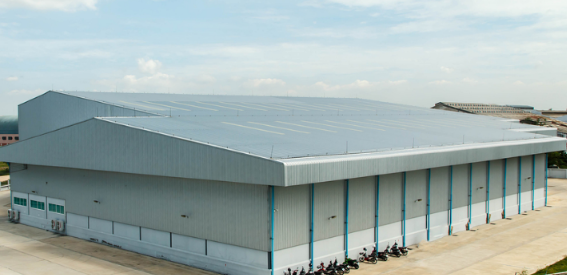
Materials and Methods Behind Commercial Roofing in Grand Prairie Texas?
Commercial Roofers Dallas handles flat and sloped commercial roofs in a range of materials; each building gets a system chosen for its shape, its use and its exposure.
Call 469-677-8677; describe the roof you have and the one you want.
The material on top gets the attention, but the layers below decide how the roof behaves; knowing the layers helps in comparing any two proposals. A request for Commercial Roofing near Grand Prairie Texas leads to a short list: single-ply, bitumen, built-up, metal or coating; the right choice follows from the building and not the brochure.
White Single-Ply Sheets on Flat Roofs
The sheet goes over board or insulation, and seams are joined to form one continuous surface; EPDM is a rubber sheet whose seams are glued or taped. Reflective single-ply surfaces are popular on large buildings with big cooling loads; a crew that probes its seams is checking the part that matters most.
Damage to a membrane is repaired by preparing the surface and adhering new material over the opening; older membranes can be harder to weld, so the method may change. Wear patterns on a single-ply roof usually trace back to water and traffic; protecting the surface where people walk is inexpensive protection for the sheet.
Asphalt-Based Sheets With a Polymer Boost
Rolled bitumen sheets are laid in overlapping courses to build a thick, multi-layer surface; a granule surface protects the asphalt from the sun. Hot work is common with modified bitumen, but not every project calls for it; each application method has its place.
Bitumen cap sheets are durable enough for busy rooftops with heavy equipment; regular inspection catches blisters and open laps early. Cracks along seams or at flashing are common findings on older modified bitumen roofs; a small repair now beats a large repair after the next storm.
Tar and Gravel Roofs Today
Tar and gravel roofs are built up from felts and bitumen, then topped with a layer of stone; a built-up roof is heavy and the deck must be able to carry it. Gravel makes the roof harder to read, and that makes careful inspection more important; infrared or moisture surveys are often used on large roofs.
Replacing a built-up roof can mean removing all the layers or overlaying a new system; recovering saves disruption but leaves old layers in place. Cleanup after gravel removal protects drains and keeps stone out of parking areas; a clean roof and a clean lot are both part of the work.
Steel and Aluminum Roof Panels
Commercial metal roofs are built from steel or aluminum panels, either with concealed clips or visible screws; long panels are cut and formed to suit the building. Metal roofs handle heavy rain well, and the right finish helps keep the building cooler; noise from rain can be addressed with insulation underneath.
Retrofit framing can create slope and ventilation where the old roof had none; added framing must be anchored to the structure and not just the old deck. Fixing a metal roof means tracing water to the exact point where a seal has failed; dissimilar metals and fasteners can corrode when mixed.
Board Stock and Insulation, Explained
Insulation determines how much heat the building gains in summer and loses in winter; insulation that gets wet loses much of its value. Hidden moisture often explains why a leak keeps returning after repairs; replacing small wet sections can extend the life of the roof.
Hail-prone areas benefit from a high-density cover board under the membrane; dense boards add a small amount of weight and thickness. Fasteners, plates and adhesives hold the layers to the deck and resist wind uplift; perimeter zones need more fasteners than the center of the roof.
White Surfaces and Heat Management
White membranes and reflective coatings are widely used on commercial buildings; summer heat makes reflectivity a practical concern. Coatings such as acrylic, silicone and polyurethane are rolled or sprayed onto a prepared roof; surface preparation is the largest part of the job.
Standing water can degrade some coatings, so drainage must be addressed first; an honest evaluation looks at the water first. Solar panels and reflective roofs can coexist, and the roof should be in good shape before panels go on; coordinating the roof and the array saves effort.
Shingle, Tile and Wood on Smaller Commercial Roofs
Pitched commercial roofs are covered with asphalt shingles, clay or concrete tile, wood or metal; wood roofs are rare and call for special care around fire and moisture. Hail season is a fact of life for pitched roofs here, and materials vary in how they respond; impact-rated shingles are one option in hail-prone areas.
Matching a System to a Building
A system should be chosen for the building as it is, not as the brochure assumes; how often people go on the roof changes the answer. Ask for two or three options on paper, each with its layers, attachment and details described; a crew that explains the choices is easy to trust.
Flashing and Details Across Every System
Flashing is where a roofing system is most likely to leak, so it gets the closest attention; sealant alone is a temporary answer. Rooftop equipment curbs are wrapped, sealed and capped to keep water out; old sealant that has cracked is an early warning.
Why Drainage Shapes the Choice of System
No roofing system works well if water cannot leave the roof; standing water shortens the life of nearly every membrane. Intense summer rain arrives fast, and drains must be ready for it; a walk after a downpour shows where water lingers.
Keeping Any Commercial Roof in Good Shape
Single-ply roofs benefit from clean surfaces, clear drains and a check of the seams after storms; photographs make comparison from one visit to the next easy. A seasonal walk, a post-storm check and a clear set of records cover most maintenance needs; a crew that offers inspection visits is thinking about the long run.
What Local Rules Mean for the Choice of Roof System
Codes shape the choice of roof system by setting limits on materials, layers and attachment; a design professional or the local building department can confirm what applies. Wind uplift is a design matter on any low-slope roof, since edges and corners take the heaviest forces; a crew follows the published pattern and documents the work.
Ready to Look at Your Options?
Anyone weighing roof systems for a building in Grand Prairie Texas can start with a call to Commercial Roofers Dallas; questions are welcome at every stage of the process. Call 469-677-8677 to describe the building and set a time to look at the roof; we would rather answer a question early than fix a surprise late.